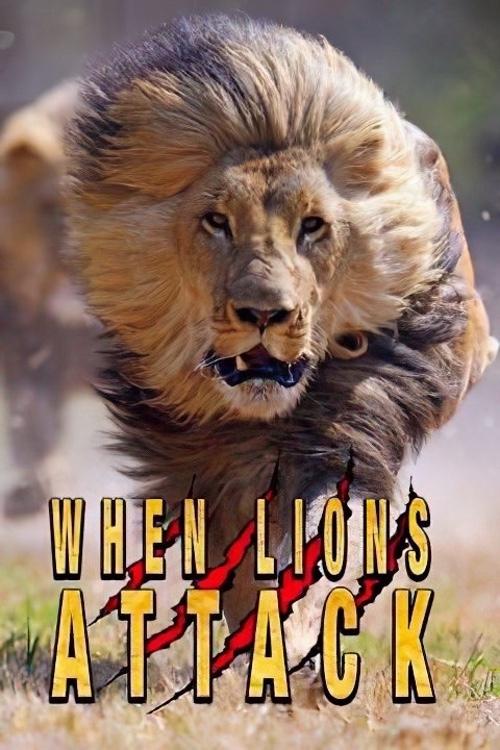
When Lions Attack
2014
No user ratings available yet
Representation score: 0.0 out of 10

Representation Score
Minimal
2017
TV-14Director
Robyn Keene-Young
Runtime
44 minutes
Average Rating
No ratings yetNew Showbiz Analysis
Storm Cats opens with the arid landscape of Botswana, where the survival of lion and cheetah families hangs in the balance against violent seasonal storms. The film’s argument is strictly biological: nature is indifferent, and only those who adapt to the raw power of the environment survive. It presents a traditional hierarchy of the wild, where physical strength and maternal instinct determine life or death, without imposing human moral frameworks or cultural judgments. The camera treats the animals with a neutral, observational respect, highlighting the competence of female hunters and the territorial authority of males as natural facts rather than social constructs. The ending settles on the resilience of the survivors, affirming the harsh but orderly logic of the ecosystem. As a documentary, it succeeds in its intimate portrayal of animal life, offering a clear, unadorned look at the wet season’s impact on big cats. It does not seek to invert or critique human traditions, nor does it offer a liberal message; it simply records the predictable, if intense, cycle of life in the dry terrain. The sold meaning is one of natural order and adaptation, where the "good" is defined by survival and the "bad" by vulnerability to the storm.
Category Breakdown
Absent. The documentary focuses exclusively on the biological survival of lion and cheetah families, with no human characters or social constructs depicted.
Limited to biological sex roles. The film depicts female lions and cheetahs as primary hunters and mothers, while males are shown as territorial or protective, reflecting natural hierarchy.
Absent. The subject matter consists entirely of non-human animals in a Botswana landscape, with no human racial or ethnic groups present.
Minimal human cultural framing. The narrative centers on natural survival and adaptation to weather, offering no commentary on human institutions, faith, or national identity.
Absent. The film documents healthy wildlife populations; no impairment, disability, or physical limitation is featured as a narrative element.
Present on Screen
Limited or Absent
Official Synopsis
Africa's big cats lead a predictable life, they are masters of the dry terrain. However, for eight intense weeks, violent storms transform their world. Storm Cats follows the lives of two generations of big cats during the fleeting wet season in arid Botswana. It is an intimate portrayal of lion and cheetah families pushed to the edge by nature's raw power. Only those that can adapt will survive
2014
2016
2013
2021

2015
2011
2014
2014
No reviews yet. Be the first to share your thoughts on this movie!
Use the rating form above to leave a star rating and optional review.