Return
2018
No user ratings available yet
Representation score: 4.0 out of 10
Representation Score
Fair
2025
Director
Bar Mayer
Average Rating
No ratings yetNew Showbiz Analysis
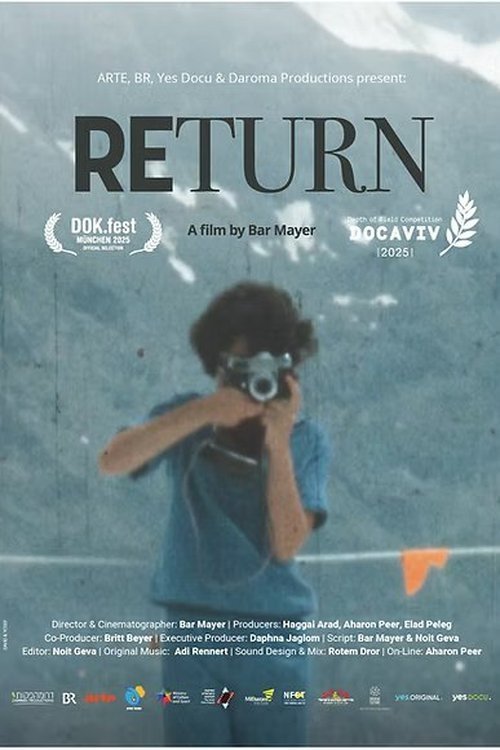
Return is a deeply personal documentary that leverages the self-portrait format to explore identity through a subjective lens. By centering a female director's perspective and specific Jewish-Israeli heritage, the film moves away from broad, commercialized clichés in favor of nuanced, lived experience. The work succeeds in providing ethnic specificity and gendered ability to act. It avoids the 'color-blind' approach, instead using memory and cultural heritage to build a unique narrative architecture. However, the film's scope appears narrow. Without explicit evidence regarding LGBTQ+ representation or disability themes, the diversity profile remains focused on a specific intersection of gender, religion, and nationality.
Category Breakdown
The film lacks explicit evidence of LGBTQ+ narratives or characters. While the self-portrait format allows for personal exploration, there is no verifiable data regarding LGBTQ+ themes.
Directed by a woman and centered on a woman's subjective experience, the film prioritizes a woman's ability to act. This approach disrupts traditional documentary trends that often favor male-centric historical perspectives.
The narrative centers Jewish identity and the Israeli context. This focus on specific ethnic heritage challenges the homogeneity often found in mainstream documentary subjects.
The film explores the complexities of Judaism and Israeli identity. Its self-portrait nature suggests a personal examination of tradition versus modernity and institutionalized religious narratives.
There is no evidence of characters or themes addressing physical or neurodivergent disabilities within the film.
Present on Screen
Limited or Absent
2018

2011

1996
2024
2024
2005

2025

2025
No reviews yet. Be the first to share your thoughts on this movie!
Use the rating form above to leave a star rating and optional review.