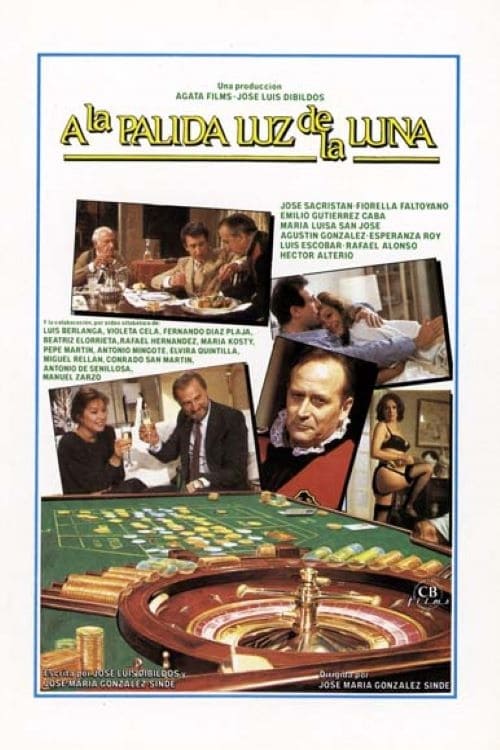
A la pálida luz de la luna
1985
No user ratings available yet
Representation score: 2.4 out of 10
Representation Score
Limited
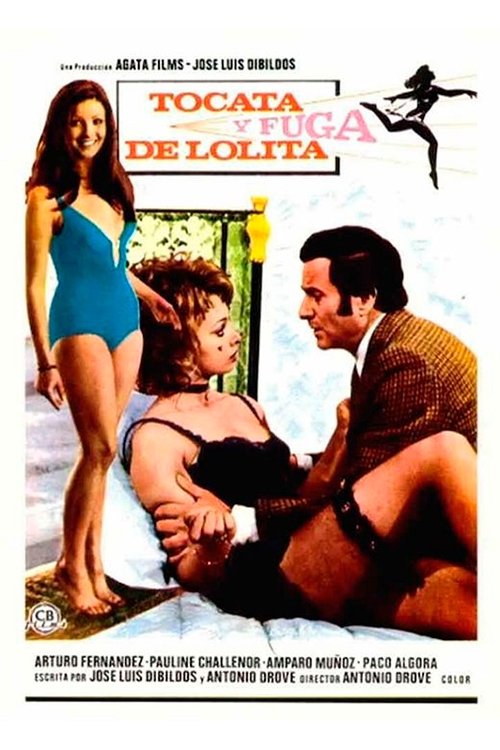
1974
Director
Antonio Drove
Runtime
88 minutes
Average Rating
No ratings yetNew Showbiz Analysis
Antonio Drove's comedy centers on domestic upheaval and the tension between societal expectations and individual desires. While the plot is triggered by a female character's rebellion, the film remains largely anchored in the traditional social dynamics of 1970s Spain. The work lacks depth in exploring multiple aspects of identity, focusing instead on a narrow, homogeneous social sphere. It functions primarily as a character study of a widower navigating family instability rather than a critique of broader social structures.
Category Breakdown
The film does not include any explicit LGBTQ+ characters or narratives. The story revolves around conventional family structures involving a widower, his daughter, and his sister.
Lolita's departure from the home drives the plot, suggesting a disruption of patriarchal domesticity. However, it is unclear if she possesses true ability to act or merely serves as a catalyst.
The setting and cast reflect a homogeneous social environment typical of 1974 Spain. There is no evidence of racial blending or diverse ethnic representation.
The narrative explores the tension between institutional authority and personal autonomy. It lacks a significant secularist or anti-capitalist critique to deepen its cultural complexity.
There is no mention of characters with visible or invisible disabilities within the narrative.
Present on Screen
Limited or Absent
Official Synopsis
Carlos, a widower in his forties, lives with his daughter Lolita and his sister Merche. He is a candidate to Spanish Court's Proctor, so frequently travels outside Madrid. During one of those trips, he is forced to return at home precipitously, because his sister informed him that Lolita has left the house to live with some friends.
1985

1985

1969

2016
1984
1974

2014
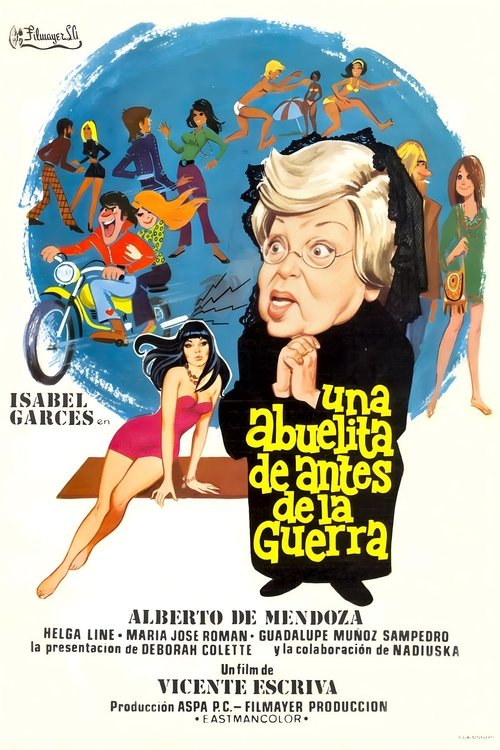
1974
No reviews yet. Be the first to share your thoughts on this movie!
Use the rating form above to leave a star rating and optional review.