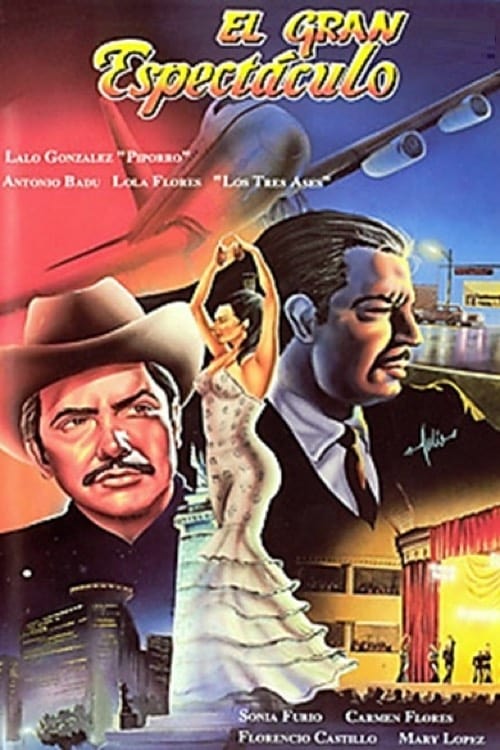
El gran espectáculo
1958
No user ratings available yet
Representation score: 2.3 out of 10

Representation Score
Limited
1940
Director
Manuel Romero
Runtime
79 minutes
Average Rating
No ratings yetNew Showbiz Analysis
Manuel Romero’s musical comedy is a nostalgic look at Argentine Carnival traditions. The film centers on an entrepreneur and three singers, emphasizing commercial appeal and popular entertainment. Although the Carnival theme suggests a blend of cultures, the narrative structure stays within the social norms of the 1940s. It serves more as a celebration of social unity than a means to challenge established norms. Overall, the film reflects the typical social frameworks of its time, focusing on musicality and professional success rather than diverse representation.
Category Breakdown
The film does not show any non-straight or non-cisgender identities or intimate relationships between people of the same gender. The story focuses on professional musical goals within a traditional 1940s social setting.
Women in the film likely play traditional feminine roles common during that time. Singers have prominent roles, but the film seems to reflect existing social hierarchies.
The Carnival setting suggests a celebration of mixed ethnic traditions. However, the film does not show characters of color with significant roles or diverse casting.
The story highlights cultural continuity and communal celebration. It upholds traditional entertainment values without challenging institutional or Western structures.
There is no mention of characters with physical or neurodivergent disabilities.
Present on Screen
Limited or Absent
Official Synopsis
Evocation of the Carnival of 1912 and of 1940 through 4 characters: an entrepreneur and three singers.
1958
1933
1957
1955
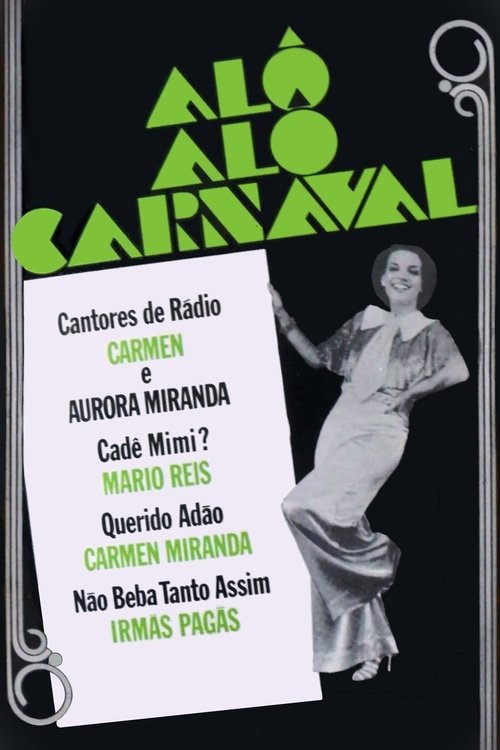
1936
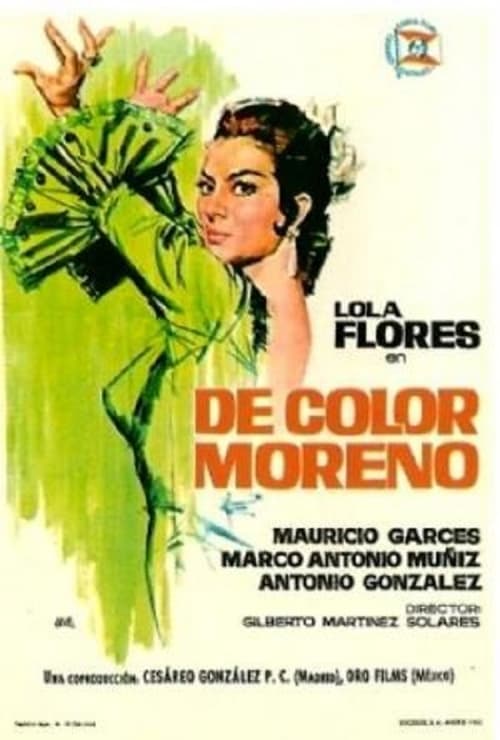
1963
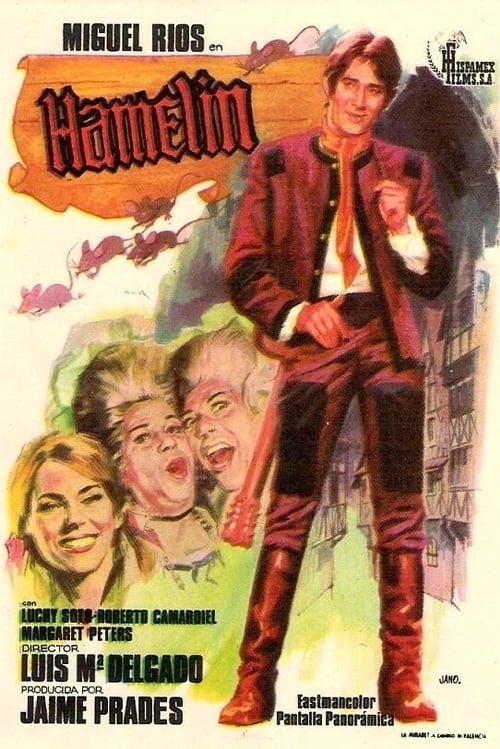
1969
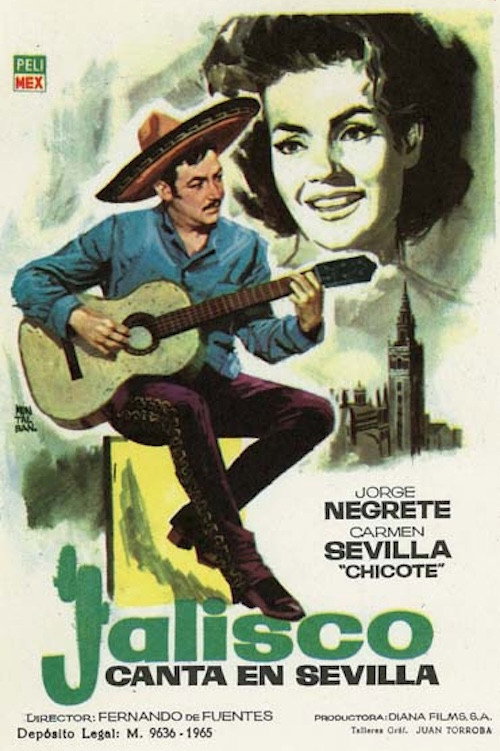
1949
No reviews yet. Be the first to share your thoughts on this movie!
Use the rating form above to leave a star rating and optional review.