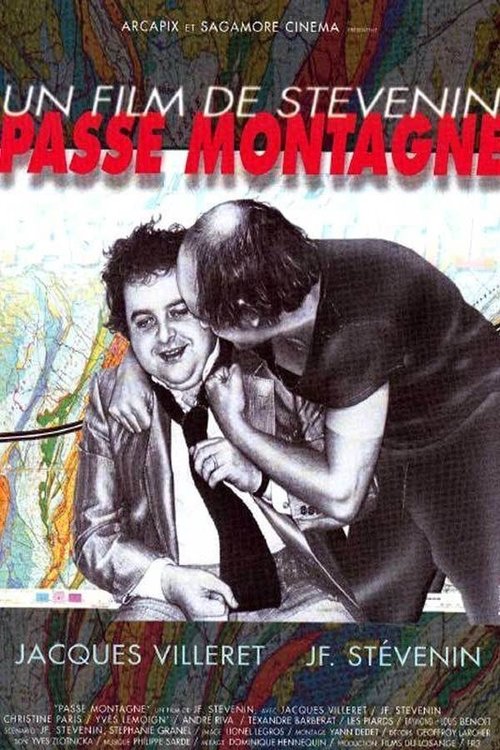
Mountain Pass
1978
No user ratings available yet
Representation score: 2.5 out of 10

Representation Score
Fair
1983
Director
Jean-Louis Leconte
Runtime
105 minutes
Average Rating
No ratings yetNew Showbiz Analysis
A Stone in the Mouth is a period drama that emphasizes poetic realism over modern characters who reflect more than one aspect of diversity. It successfully critiques the rigid moral structures of 1930s provincial France through a child's perspective, providing a nuanced view of social deviance. While Marie challenges patriarchal order, the film remains constrained by its historical setting and a central male perspective. The absence of LGBTQ+, racial, and disability-centric representation limits the narrative's scope. Overall, the film examines social friction rather than showcasing a diverse ensemble, reflecting the homogeneity of its specific historical and geographic context.
Category Breakdown
The film doesn't include any LGBTQ+ characters or non-straight identities. The story focuses on eroticism and social tensions within a traditional village setting.
Marie disrupts traditional gender roles by taking an active role in the story. However, the film primarily centers around the male perspective of the protagonist, Jean.
Set in a rural French village during the interwar period, the film reflects the homogeneous demographics of its time. There is no indication of racial diversity or varied casting.
The story uses a child's perspective to question the absolute moral authority of religious and social institutions. It portrays communal morality as a restrictive force against personal truth.
A blind retired actor appears in the manor, contributing to the atmosphere but not playing a significant role in the plot. The character adds to the tension rather than driving the story.
Present on Screen
Limited or Absent
Official Synopsis
A fugitive takes refuge in a manor where a blind retired thespian lives.
1978

1966

1959

1983
1990
1996
1983
1965
No reviews yet. Be the first to share your thoughts on this movie!
Use the rating form above to leave a star rating and optional review.