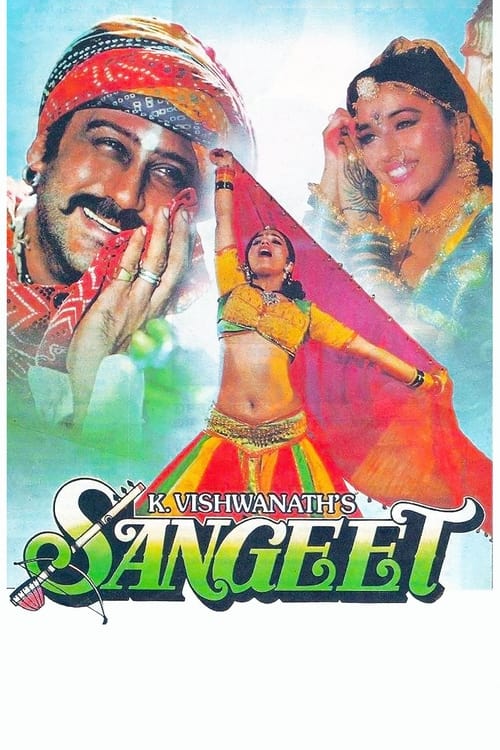
Sangeet
1992
No user ratings available yet
Representation score: 5.7 out of 10

Representation Score
Fair
1979
Director
K. Viswanath
Runtime
145 minutes
Average Rating
No ratings yetNew Showbiz Analysis
Sargam is a traditionalist musical drama that highlights individual resilience within a structured social order. It stands out by focusing on a character with sensory impairments, using her disability to convey artistic expression rather than just tragedy. However, the film adheres to the social hierarchies of its time. While the female lead demonstrates strength, the plot depends on male characters to advance her success, and there is no LGBTQ+ representation. Ultimately, the film is a celebration of classical heritage. It prioritizes cultural preservation and traditional moral frameworks over challenging established social norms.
Category Breakdown
The film follows a traditional storyline that assumes everyone is straight and cisgender. There is no depiction of LGBTQ+ characters or non-cisgender identities.
The female protagonist gains empowerment through classical dance despite facing domestic oppression. However, the narrative relies on the male protagonist to help her achieve professional success.
The film showcases a strong representation of South Asian culture. The cast and setting reflect the region's demographics and cultural context.
The story emphasizes the importance of tradition and the teacher-student relationship. It celebrates the preservation of classical art forms and cultural continuity.
The story centers on a protagonist who is deaf and mute. Her sensory experience is a key part of her journey, expressed through non-verbal dance.
Present on Screen
Limited or Absent
Official Synopsis
A young woman, who is unable to hear or speak and ill-treated by her stepmother, seeks her escape through classical dancing. A musician, Raju, helps her achieve her goal of becoming a dancer. remake of Telugu film Siri Siri Muvva (1978).
1992

1975
1980
1983
1996

1997
2000
1985
No reviews yet. Be the first to share your thoughts on this movie!
Use the rating form above to leave a star rating and optional review.