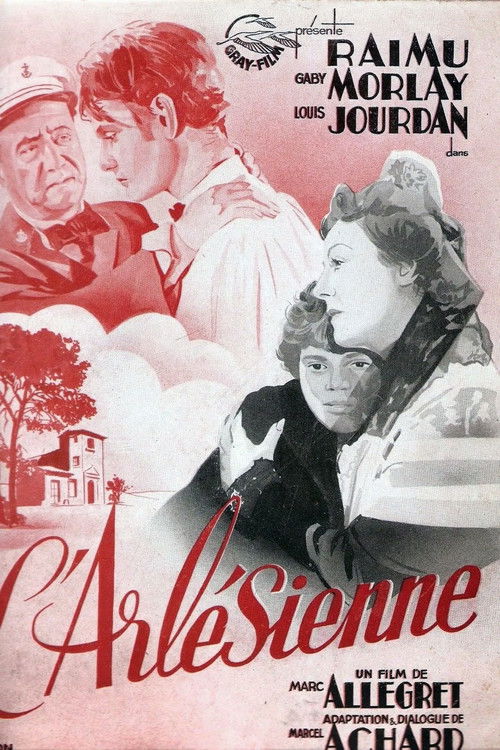
L'Arlésienne
1942
No user ratings available yet
Representation score: 0.6 out of 10
Representation Score
Minimal
1937
Director
André Hugon
Runtime
102 minutes
Average Rating
No ratings yetNew Showbiz Analysis
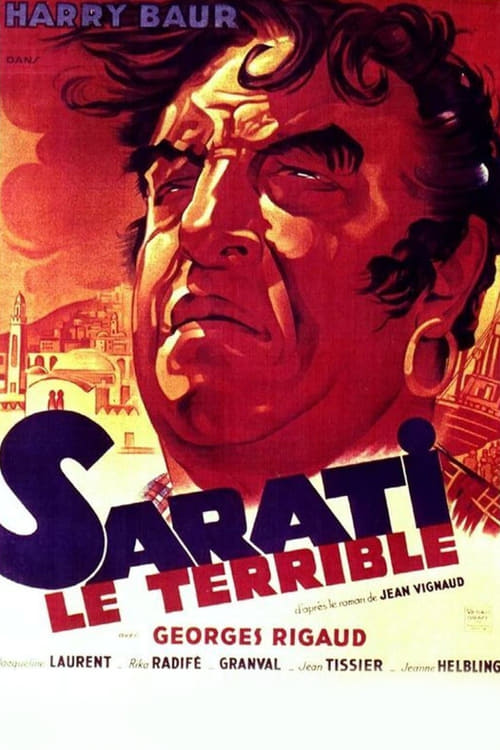
Sarati the Terrible is a period-typical melodrama that adheres to the social and moral structures of 1930s French cinema. The story relies on established clichés of redemption and tragic inevitability rather than challenging traditional hierarchies. The film centers on a classic tragic arc involving unrequited love and social resentment. While the Algiers setting provides a Mediterranean backdrop, the narrative lacks the complexity needed to move beyond standard colonial-era dramatic conventions. Ultimately, the work functions as a traditional character study. It reinforces existing social norms through its focus on moral correction and gendered archetypes.
Category Breakdown
The film focuses on heterosexual romantic tension between Rose and Gilbert. There is no evidence of LGBTQ+ identities or narratives that critique the assumption that everyone is straight.
Gender roles follow traditional archetypes where femininity acts as a moralizing force for men. Rose serves as a central figure of desire, but her role in driving the story is tied to romantic choices.
Set in Algiers, the film occupies a colonial geographic space. However, the narrative lacks specific details regarding the racial composition of the cast or the dockers.
The plot follows a traditional moral framework centered on debauchery and redemption. The story uses personal tragedy rather than deconstructing social institutions or Western morality.
The narrative contains no mention of characters navigating physical, neurodivergent, or mental health disabilities.
Present on Screen
Limited or Absent
Official Synopsis
In Algiers, Cesar Sarati who grudges the dockers, is, without realizing it, in love with his niece. But Rose loves Gilbert, a former gambler and debauchee who, out of love for her, changes his life. On the wedding day, Sarati commits suicide.
1942
1938
1930
1928

1953
1931
1959
1927
No reviews yet. Be the first to share your thoughts on this movie!
Use the rating form above to leave a star rating and optional review.