And Thereafter
2005
No user ratings available yet
Representation score: 4.5 out of 10
Representation Score
Fair
2009
AllDirector
Song Il-gon
Runtime
92 minutes
Average Rating
No ratings yetNew Showbiz Analysis
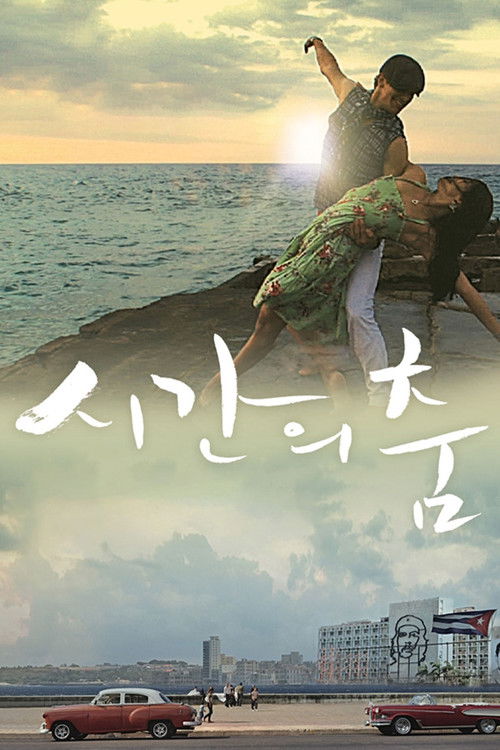
Dance of Time is a compelling study of the Korean-Cuban diaspora, offering a vital counter-narrative to mainstream historical perspectives. By tracing the descendants of early 20th-century migrants, the film provides a significant role in driving the story to a non-Western group navigating displacement and cultural survival. While the documentary succeeds in its ethnic and cultural exploration, it lacks specific evidence regarding LGBTQ+ or disability representation. The narrative's focus on genealogy and domestic continuity suggests a nuanced approach to identity, though gendered power dynamics remain unconfirmed. Ultimately, the film's strength lies in its ability to document the complexities of the migrant experience and the formation of unique, hybrid cultural identities across continents.
Category Breakdown
The film focuses on the historical and genealogical journey of a specific diaspora. There is no explicit evidence of queer narratives or critiques of the assumption that everyone is straight or cisgender within the documentary.
The narrative centers on interpersonal relationships and the continuity of descendants. While it may challenge patriarchal structures through emotional storytelling, specific data on gendered power dynamics is unavailable.
The documentary excels by centering the Korean diaspora's migration from Joseon to Cuba. It provides high ability to act to a non-Western group, disrupting traditional Anglo-centric historical lenses.
The film explores displacement and cultural evolution through post-colonial themes. It highlights the resilience of a underrepresented group building a hybrid identity amidst global shifts.
There is no specific evidence regarding the portrayal of physical or neurodivergent disabilities in this work.
Present on Screen
Limited or Absent
Official Synopsis
In the early 20th century, a group of Joseon people traveled from Korea to Cuba in the hope of making money, a century later their descendants continue to make a home there.
2005
2017
2009
2012
2019

2004

2015

1995
No reviews yet. Be the first to share your thoughts on this movie!
Use the rating form above to leave a star rating and optional review.