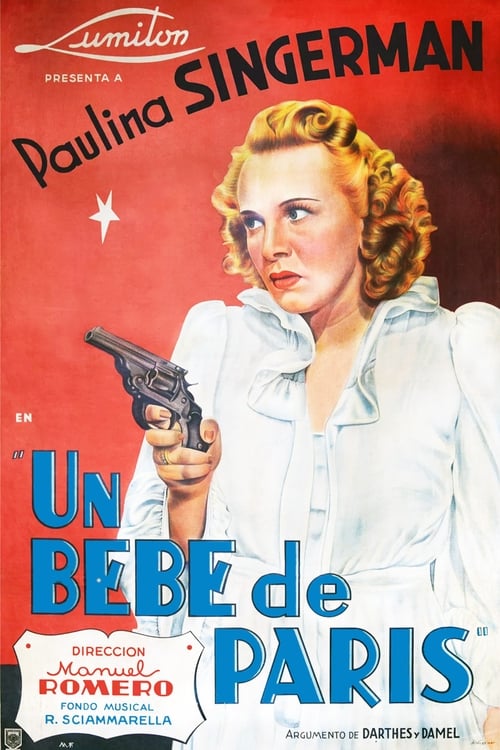
Un bebé de París
1941
No user ratings available yet
Representation score: 2.5 out of 10
Representation Score
Fair
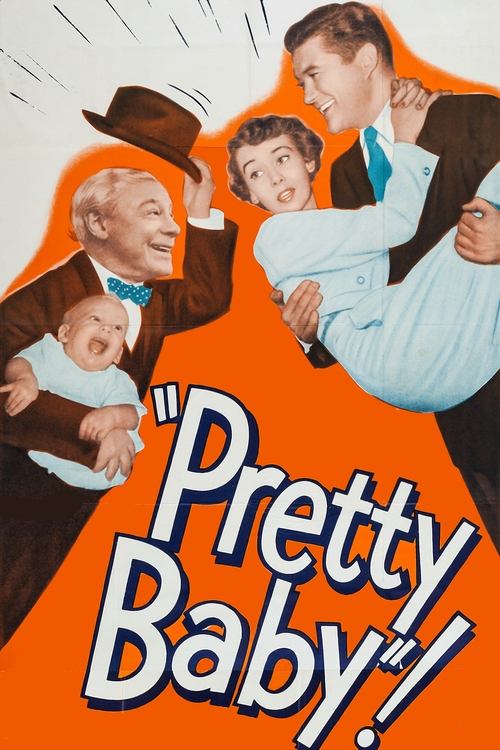
1950
Not RatedDirector
Bretaigne Windust
Runtime
92 minutes
Average Rating
No ratings yetNew Showbiz Analysis
Pretty Baby stands out for its realistic depiction of urban life, moving away from the moralizing tone typical of 1950s studio productions. It excels in showcasing a diverse racial landscape and highlighting women's roles in navigating complex social and economic systems. However, the film remains constrained by the era's limitations, especially concerning LGBTQ+ visibility. While it challenges traditional family structures and religious morality, it does not provide representation for non-straight identities. The film's strength lies in its nuanced exploration of overlapping identities and its critique of established social hierarchies through a pragmatic ethical lens.
Category Breakdown
The film does not include any LGBTQ+ characters or representations of non-straight relationships.
The movie highlights a community where women play key roles in both economic and social spheres. This contrasts with traditional narratives by emphasizing women's leadership and collective management.
Set in 1917 New Orleans, the film showcases a mix of Black and Creole characters, creating a rich racial tapestry that diverges from earlier Hollywood depictions.
The film questions traditional Christian morality by portraying sex work as a means of survival. It replaces conventional family structures with a communal, transactional social unit.
The film does not feature any characters with visible or invisible disabilities.
Present on Screen
Limited or Absent
Official Synopsis
A young woman living in Manhattan pretends to be the mother of an infant in order to get a seat on the subway.
1941
1983
1950
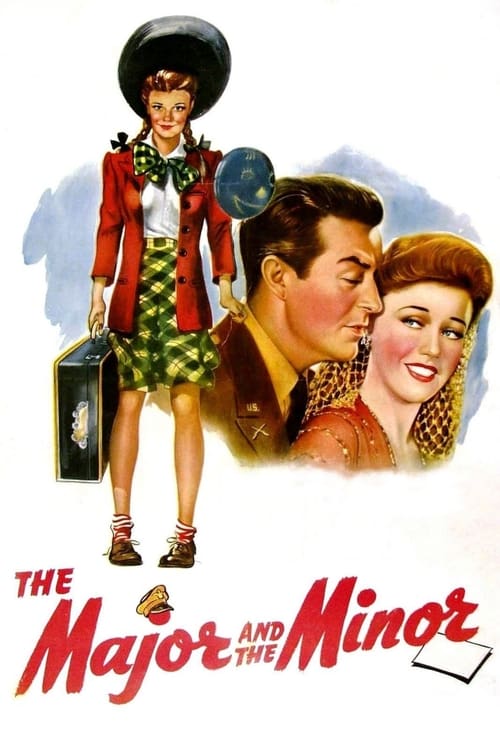
1942
1942
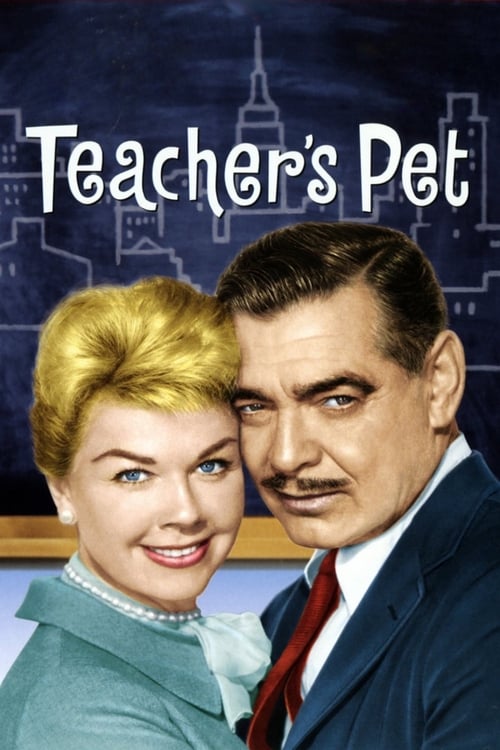
1958
1943
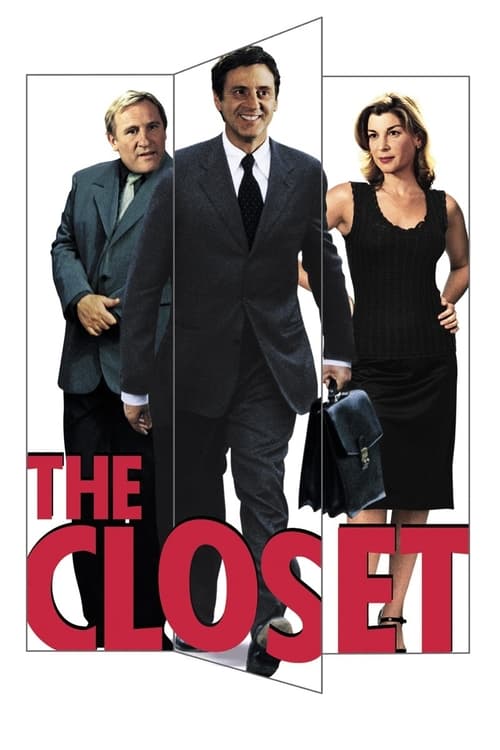
2001
No reviews yet. Be the first to share your thoughts on this movie!
Use the rating form above to leave a star rating and optional review.