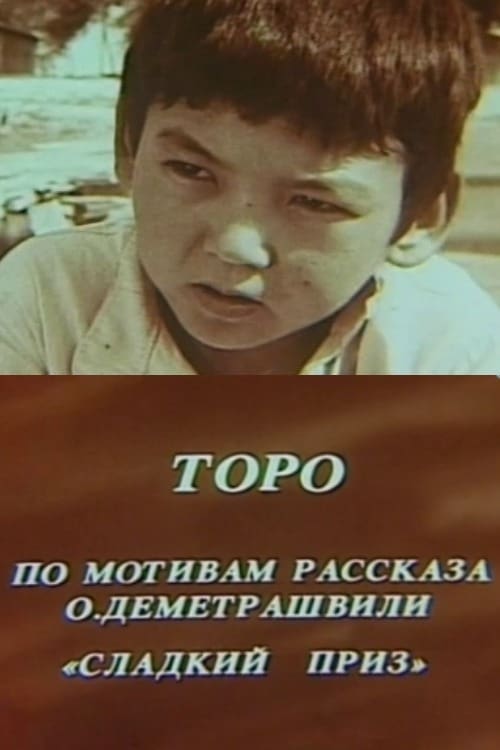
Toro
1986
No user ratings available yet
Representation score: 2.6 out of 10
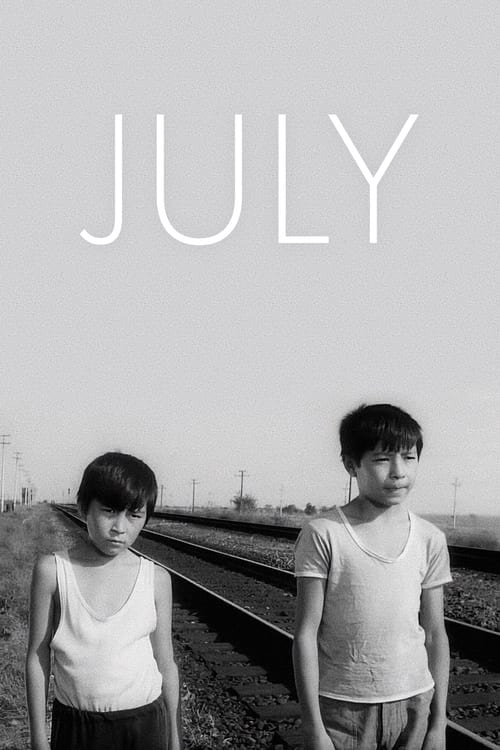
Representation Score
Fair
1988
Director
Darezhan Omirbayev
Runtime
25 minutes
Average Rating
No ratings yetNew Showbiz Analysis
July stands as a significant artifact of the Kazakh New Wave, moving away from the rigid structures of Soviet realism. It succeeds by prioritizing localized identity and emotional depth over grand, patriotic narratives. The film's strength lies in its ethnic authenticity and its subversion of gendered cinematic hierarchies. By centering Kazakh-specific landscapes and female psychological depth, it challenges the standardized aesthetics of its era. However, the film lacks engagement with modern identity categories like LGBTQ+ representation or disability. Its focus remains strictly on the existential and provincial experiences of its protagonists.
Category Breakdown
The film does not include any LGBTQ+ characters or narratives. It focuses on the existential reflections of its protagonists in a rural setting.
The narrative disrupts traditional hierarchies by centering on female characters and their inner lives. It avoids male-centric archetypes, positioning women as primary drivers of the story’s themes.
The film features a predominantly Kazakh cast and setting. This choice emphasizes regional identity and avoids the homogenization common in centralized Soviet productions.
The story favors personal, atmospheric morality over state-sanctioned dogma. It prioritizes personal memory and individual perception within the Kazakh SSR landscape.
There is no specific evidence regarding the portrayal of visible or invisible disabilities. The film explores childhood vulnerability without addressing specific disability narratives.
Present on Screen
Limited or Absent
Official Synopsis
One hot summer afternoon, two boys try to earn the cash for a movie in this beautiful evocation of the landscape of childhood.
1986
1961

2004

1946

2018

1973
1992

1984
No reviews yet. Be the first to share your thoughts on this movie!
Use the rating form above to leave a star rating and optional review.