
Tale of a Pink Hare
2010
No user ratings available yet
Representation score: 5.7 out of 10
Representation Score
Fair
1992
Director
Darezhan Omirbayev
Runtime
72 minutes
Average Rating
No ratings yetNew Showbiz Analysis
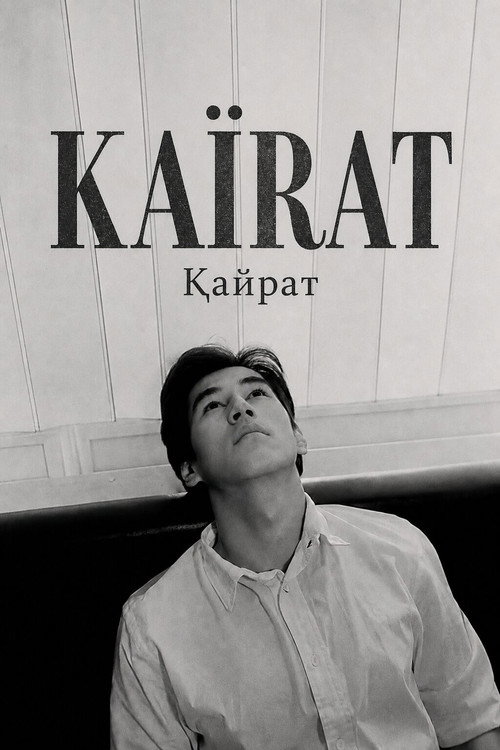
Kairat stands out for its cultural positioning. By centering a Kazakh narrative through a postmodern, surrealist lens, Omirbayev challenges Western storytelling structures. The film prioritizes psychological depth and localized identity over conventional clichés, offering a meaningful departure from traditional narratives. However, its impact is limited by a lack of explicit representation in other areas, such as LGBTQ+ or disability-focused narratives.
Category Breakdown
The film doesn't have clear stories focused on LGBTQ+ identities. Its surrealist style might hint at fluidity, but it doesn't show queer characters or challenge the assumption that everyone is straight or cisgender.
A female student plays a key role in the protagonist’s life. The film emphasizes internal psychological states rather than traditional patriarchal structures, but it’s unclear if she drives the story.
As a Kazakh production, the film highlights a Central Asian perspective. It challenges Western cinema by centering a local protagonist within a specific cultural context.
The surrealist approach focuses on individual alienation and critiques rigid traditional institutions. By emphasizing personal experiences, it questions the stability of such institutions.
There is no documented evidence of characters with physical or neurodivergent disabilities in this film.
Present on Screen
Limited or Absent
Official Synopsis
Living in Almaty, Kazakhstan, a young man is preparing to become a bus conductor. One day, in between wandering the city streets and going to the movies, he makes the acquaintance of a female student.
2010
1986
1988
1959

1990

2012
2004

2001
No reviews yet. Be the first to share your thoughts on this movie!
Use the rating form above to leave a star rating and optional review.