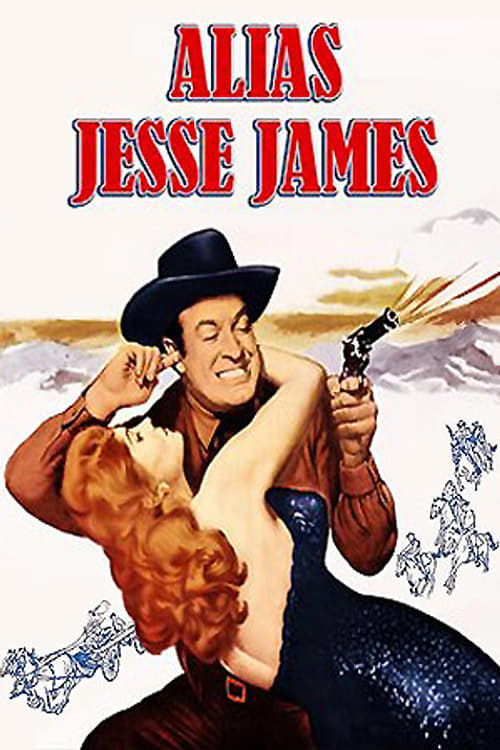
Alias Jesse James
1959
No user ratings available yet
Diversity score: 2.1 out of 10

1976
PGDirector
Frank D. Gilroy
Runtime
99 minutes
Average Rating
No ratings yetSynopsis
Bank robber Graham Dorsey spends a few hours with beautiful widow Amanda Starbuck, in which time his gang takes part in a disastrous holdup. Learning of his comrades' demise, Dorsey goes on the lam. Believing her short-term lover was killed by the law, Amanda decides to make the most of having had a liaison with the supposedly deceased desperado by writing a book about him. Much to his confusion, the still-living Dorsey watches as his name becomes legendary.
Overall Score
Limited
Category Breakdown
LGBTQ+ Representation
The film focuses on a heterosexual liaison between a bank robber and a widow. There is no evidence of queer subtext or non-cisnormative identities within the plot.
Gender Representation
Amanda Starbuck shows agency by writing a book about the protagonist, yet her role remains tied to his legend. The film largely adheres to traditional gender hierarchies.
Racial & Ethnic Diversity
The setting reflects the homogeneous demographic norms typical of 1970s Westerns. There is no evidence of significant non-white character agency in the central narrative.
Religious & Cultural Diversity
The story explores the construction of myth and reputation through a traditional Western framework. It does not offer a critique of Western institutions or social orders.
Disability Representation
The narrative provides no evidence regarding the presence of characters with visible or invisible disabilities.
Strengths
Areas for Improvement
AI Analysis
From Noon Till Three operates as a conventional genre piece, relying on established archetypes like the outlaw and the widow. The narrative focuses on individual myth-making rather than challenging systemic social structures. The film lacks intersectional complexity, adhering to the demographic and social norms of the 1970s Western. While the female lead exercises some communicative power through authorship, the broader social framework remains traditional and homogeneous. Ultimately, the film functions within a localized, traditionalist social structure without disrupting established hierarchies or offering significant diverse representation.
1959
1969
1993
1963
1971
1956
1976
1965
1975

1976
1973
1968
No reviews yet. Be the first to share your thoughts on this movie!
Use the rating form above to leave a star rating and optional review.