
1 Giant Leap
2002
No user ratings available yet
Representation score: 6.8 out of 10
Representation Score
Good
1972
RDirector
Chuck Wein
Runtime
108 minutes
Average Rating
No ratings yetNew Showbiz Analysis
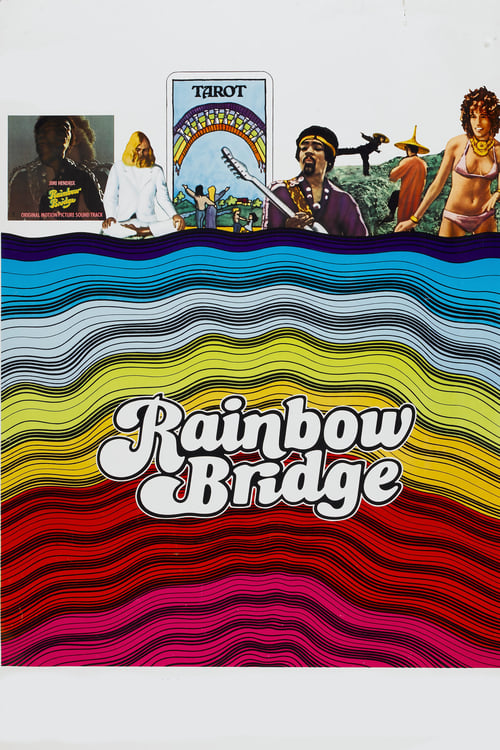
Rainbow Bridge serves as a vital documentary artifact of the early 1970s New Age movement. It captures a period of intentional social experimentation, documenting a shift towards spiritual pluralism and the dismantling of Western social hierarchies. The film’s strength lies in its portrayal of alternative social frameworks and its rejection of rigid, mainstream institutional norms. It provides a unique window into the communal living and experimental lifestyles of the era's counterculture. However, the film lacks depth regarding indigenous representation and disability. While it explores non-traditional social structures, it tends to view the Hawaiian setting through a Western lens rather than an indigenous one.
Category Breakdown
The film captures a historical moment marked by sexual fluidity and non-conforming gender expressions. It depicts queer-friendly subcultures through subtle social cues rather than focusing on romantic relationships.
Traditional gender hierarchies are disrupted by the absence of conventional male leadership. Both men and women are portrayed through their creative and spiritual roles rather than domestic ones.
The Hawaiian setting provides a Pacific Islander backdrop, but the narrative focuses on international musicians. The story centers on Western counterculture rather than the ability to act of indigenous peoples.
The documentary highlights esoteric spiritual practices over organized religion. It celebrates moral relativism and the rejection of mainstream capitalist structures.
There is no significant evidence regarding the portrayal of visible or invisible disabilities within the film.
Present on Screen
Limited or Absent
Official Synopsis
A documentary about various singers, musicians, artists, astrologers, etc., who attended a "New Age" gathering in Maui, Hawaii.
2002

1978
1977
1999
1972
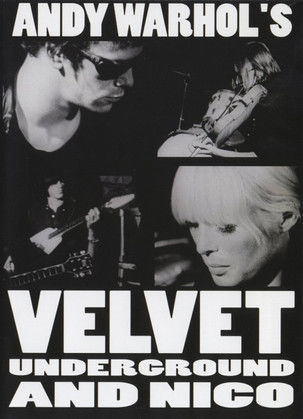
1966
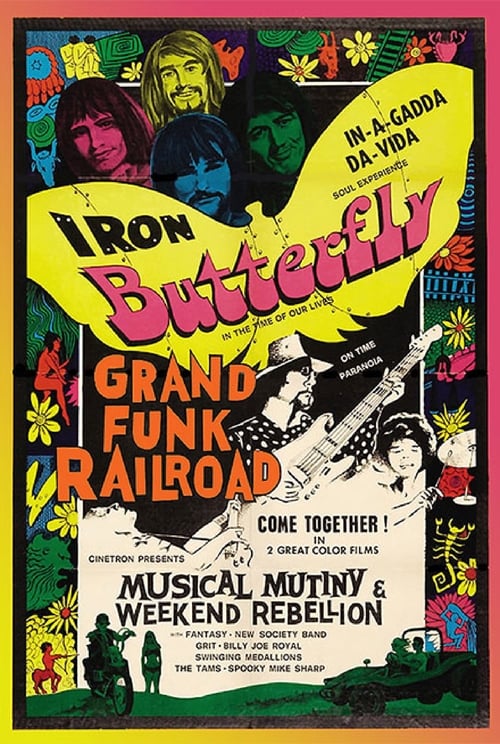
1970
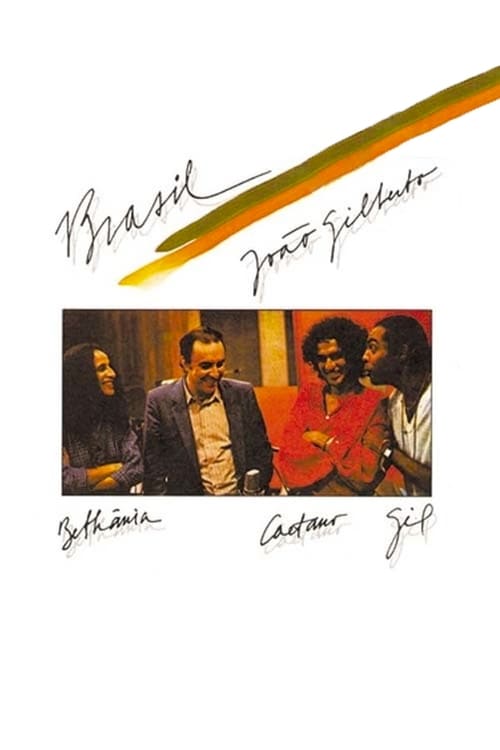
1981
No reviews yet. Be the first to share your thoughts on this movie!
Use the rating form above to leave a star rating and optional review.