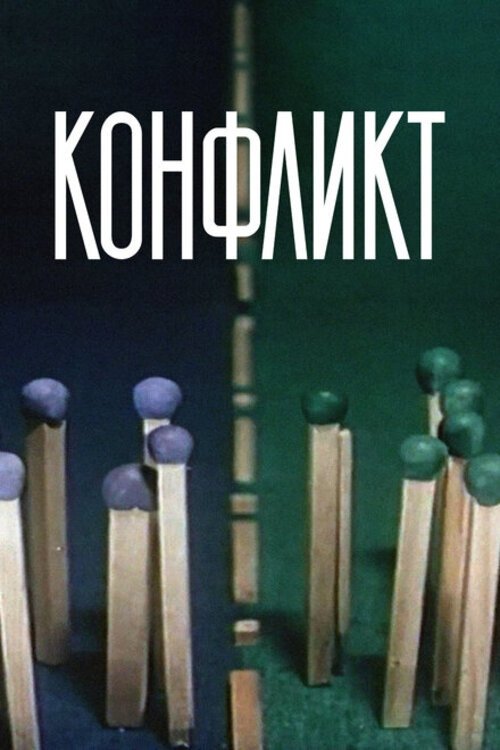
Conflict
1983
No user ratings available yet
Representation score: 3.2 out of 10

Representation Score
Limited
2014
Director
Emma De Swaef, Marc James Roels
Runtime
1 minutes
Average Rating
No ratings yetNew Showbiz Analysis
Fight! serves as a cinematic abstraction rather than a social commentary. By using non-human puppets and a surrealist framework, the film avoids traditional social categories used to measure representation. The low diversity score is due to the medium and subject matter. The work chooses a visceral, psychological experience over a socially grounded one, making standard metrics like race or sexual orientation irrelevant. Ultimately, the film's impact comes from its disruption of conventional narrative expectations and its focus on a primal, repetitive struggle.
Category Breakdown
The film uses stylized, non-humanoid puppets that don't have clear gender identities or sexual orientations. There is no indication of any queer themes or exploration of diverse gender identities.
The story avoids traditional gender roles by featuring creature-like protagonists. It challenges typical heroic masculinity by showing aggression as a repetitive, absurd cycle.
The use of non-human puppets means there is no racial or ethnic representation. The minimalist setting doesn't address human social hierarchies or racial diversity.
The film avoids singular religious or Western moral frameworks by focusing on surreal, non-verbal struggles. It suggests moral relativism through its depiction of primal, repetitive instincts.
The film's focus on primal, non-verbal, and ritualistic behaviors can be understood through the lens of neurodivergent experiences. Characters maintain a significant role in the story despite being confined to a tight space.
Present on Screen
Limited or Absent
Official Synopsis
Two friends fighting dirty
1983

2013
2012
2011
2015

2006
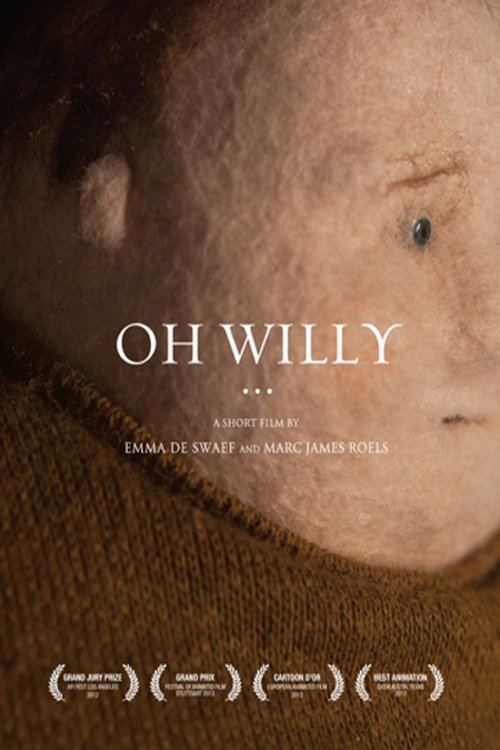
2013
2006
No reviews yet. Be the first to share your thoughts on this movie!
Use the rating form above to leave a star rating and optional review.