For Better or Worser
1935
No user ratings available yet
Diversity score: 2.6 out of 10
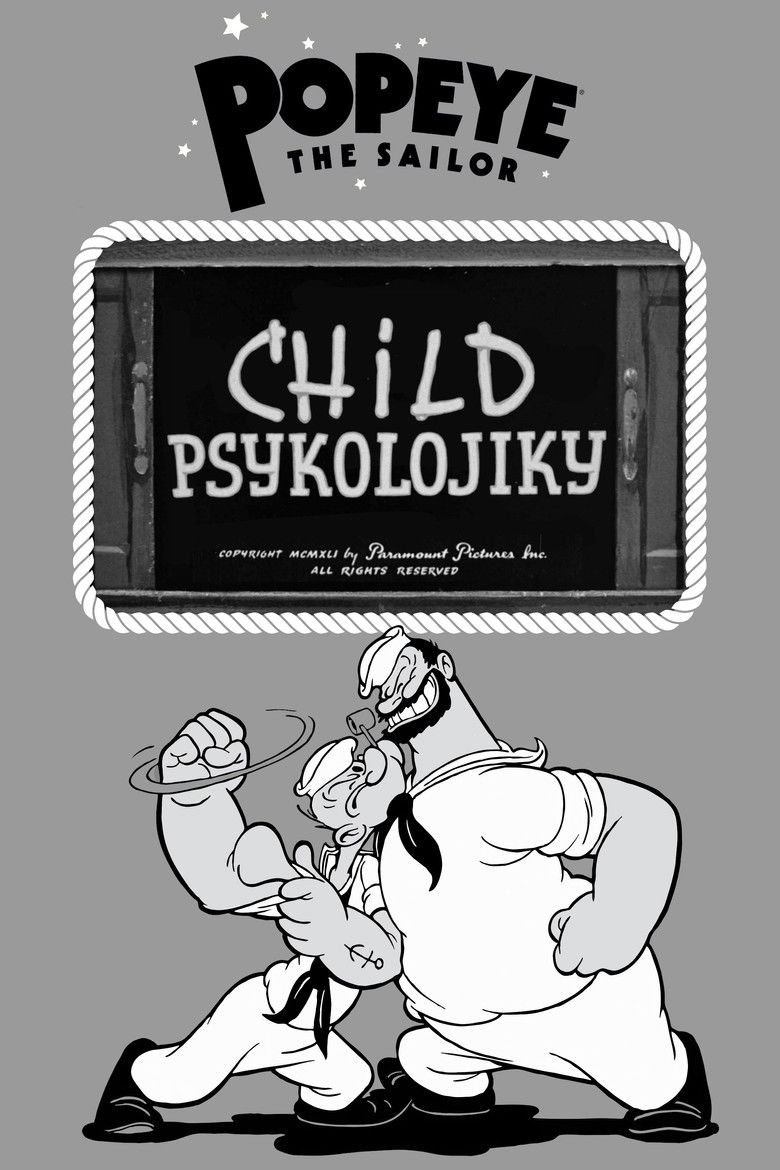
1941
PassedDirector
Dave Fleischer
Runtime
6 minutes
Average Rating
No ratings yetSynopsis
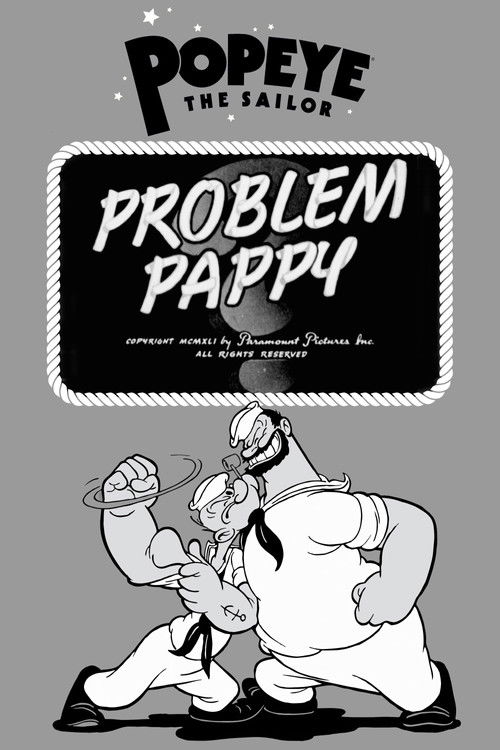
Popeye and Poopdeck Pappy are trying to play poker, but Swee'Pea's crying keeps interrupting them. Pappy wants to smack the tot, but Popeye persuades him to try psychology instead. Popeye tells the story of how "George Washlincoln" chopped down the cherry tree. Inspired, Swee'Pea chops a hole in the floor, then tells the truth. Popeye rushes out to buy him a reward, leaving Pappy in charge, but Pappy believes in a rather dangerous style of parenting, introducing him to William Tell (from both ends of the gun). Pappy lies about it to Popeye.
Overall Score
Limited
Category Breakdown
LGBTQ+ Representation
The film lacks any visible representation of LGBTQ+ identities. Character dynamics center on traditional patriarchal figures and a child, adhering to 1940s social structures.
Gender Representation
The narrative operates within a strictly masculine framework. Conflict is driven entirely by male characters, leaving the film without gendered complexity or female perspectives.
Racial & Ethnic Diversity
The film focuses on Western-centric folklore through the 'George Washlincoln' allegory. There is no evidence of a diverse cast or non-Anglo-Saxon perspectives.
Religious & Cultural Diversity
The story critiques traditional parenting by contrasting punitive discipline with psychological persuasion. However, it relies heavily on Western historical myths to drive the plot.
Disability Representation
There are no characters depicted with visible or invisible disabilities. Disability is not used as a narrative device in this short.
Strengths
Areas for Improvement
AI Analysis
This animation explores the tension between punitive discipline and psychological persuasion through the lens of a chaotic family dynamic. While it subverts the trope of the competent patriarch by portraying Poopdeck Pappy as a dangerous liability, the film remains deeply rooted in its historical era. The lack of intersectional representation is significant. The narrative relies on Western-centric myths and a homogeneous cast, which limits the scope of its social commentary. The focus remains almost exclusively on male-driven conflict and traditional authority figures. Ultimately, the film functions as a study of authority and parenting styles rather than a diverse social tapestry. Its reliance on specific Western folklore prevents a broader cultural reach.
1935
1940
1942
1941
1939
1939
1936
1934
1933
1953
1949
1952
No reviews yet. Be the first to share your thoughts on this movie!
Use the rating form above to leave a star rating and optional review.