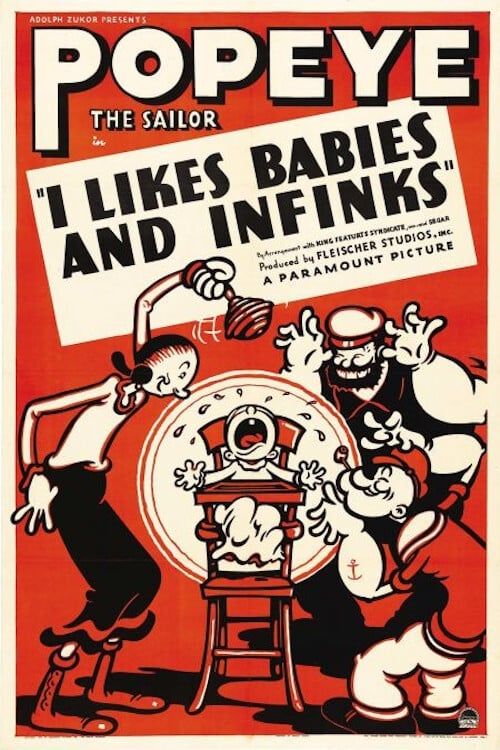
I Likes Babies and Infinks
1937
No user ratings available yet
Representation score: 1.3 out of 10
Representation Score
Minimal
1934
Director
Dave Fleischer
Runtime
6 minutes
Average Rating
No ratings yetNew Showbiz Analysis
Produced in 1934, this short adheres to the era's reliance on slapstick comedy and traditional domestic archetypes. The narrative structure prioritizes physical humor over social commentary or perspectives that reflect multiple aspects of identity. The film centers on a male protagonist managing an infant, providing a minor shift from maternal domesticity. However, the lack of diverse casting or non-normative identities reflects the historical framework of early American animation. Ultimately, the work functions as a morality-neutral comedy. It lacks the narrative architecture required to disrupt social hierarchies or provide meaningful representation for underrepresented groups.
Category Breakdown
The film focuses on a traditional domestic setting centered on caretaking. There is no evidence of LGBTQ+ identities or narratives that challenge the assumption that everyone is straight or cisgender.
Popeye navigates a domestic caretaking role, which offers a slight departure from strictly maternal archetypes. However, the era's animation often used these roles for comedic effect rather than challenging hierarchies.
The narrative does not indicate a diverse cast. Given the 1934 production context, character designs likely defaulted to the homogeneous depictions typical of the period.
The premise follows a standard Western domestic narrative regarding the struggle to soothe a child. It lacks any indication of systemic or secular critiques.
There is no evidence within the film's premise to suggest the inclusion of characters with visible or invisible disabilities.
Present on Screen
Limited or Absent
Official Synopsis
When Popeye takes the baby for a walk in the stroller, the little one won't be quiet unless he's sleeping. Of course there's no end of noisiness.
1937
1940
1941
1936
1940
1933
1937
1939
No reviews yet. Be the first to share your thoughts on this movie!
Use the rating form above to leave a star rating and optional review.