
Spaceways
1953
No user ratings available yet
Representation score: 1.4 out of 10
Representation Score
Limited
1954
ApprovedDirector
Herbert L. Strock
Runtime
85 minutes
Average Rating
No ratings yetNew Showbiz Analysis
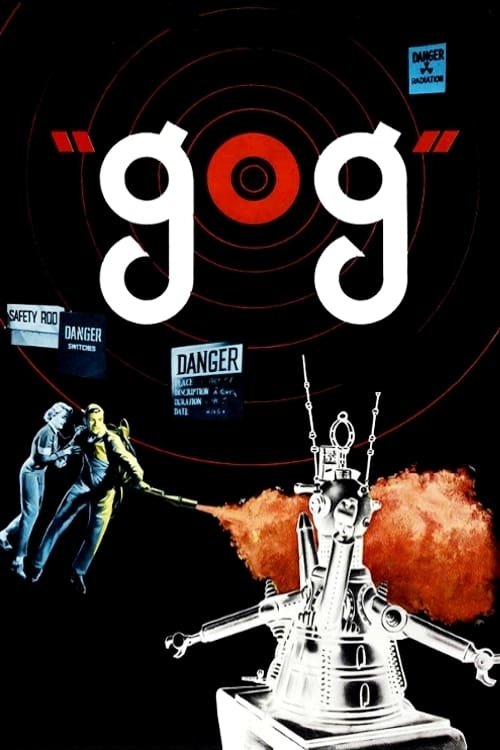
Gog is a product of the 1954 studio system, prioritizing traditional genre clichés over multi-layered storytelling. The narrative structure reflects the era's standard approach to science fiction and suspense, focusing on institutional stability. The film lacks intentionality in disrupting conventional hierarchies. It operates within the demographic norms of the mid-century, resulting in a narrow scope of representation across most social categories. Ultimately, the work functions as a defense of Western technological progress, reinforcing the status quo rather than offering diverse perspectives or going beyond familiar patterns.
Category Breakdown
The film does not include any LGBTQ+ characters or representations of non-straight relationships. It adheres to the social norms of 1954, which typically excluded such depictions from mainstream science fiction.
The narrative centers on scientific authority and technological threats. This likely relies on traditional hierarchies where leadership is male-dominated and female roles remain secondary.
The setting reflects a mid-century Western scientific establishment. The production follows the era's tendency toward a lack of racial and ethnic diversity in lead roles.
The story focuses on defending government institutions and scientific progress. This framing reinforces the stability of Western institutional structures and state-sanctioned advancement.
There is no evidence of characters with disabilities portrayed with significant roles. Any depictions of difference in this era often served as metaphors rather than nuanced explorations.
Present on Screen
Limited or Absent
Official Synopsis
A mechanical brain is programmed to sabotage the government's secret lab while working on the first space station.
1953

1957
1951
1965
1958
1970
1958

1961
No reviews yet. Be the first to share your thoughts on this movie!
Use the rating form above to leave a star rating and optional review.