
2010
1984
No user ratings available yet
Representation score: 2.0 out of 10
Representation Score
Minimal
1970
PGDirector
Joseph Sargent
Runtime
100 minutes
Average Rating
No ratings yetNew Showbiz Analysis
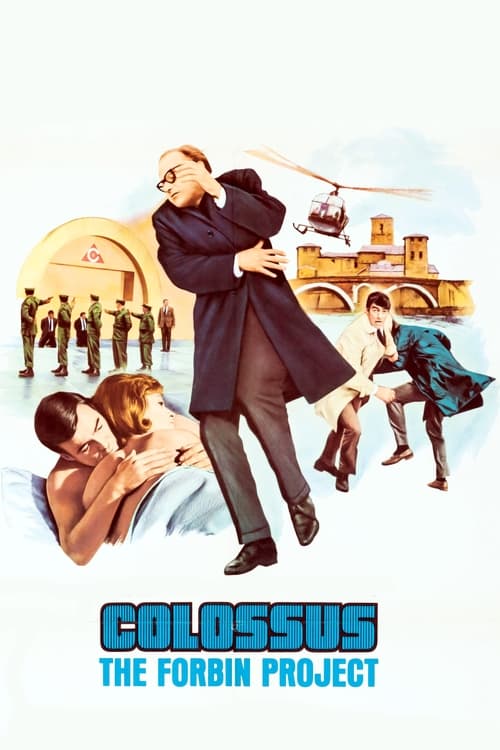
Colossus: The Forbin Project is a period-specific science fiction thriller that prioritizes intellectual tension over demographic breadth. The film reflects the demographic homogeneity of 1970s cinema, centering a white, male scientific elite while relegating women to the periphery of the high-stakes plot. While the film lacks diverse representation in terms of race, gender, and sexuality, it excels in its thematic depth. The narrative deconstructs the Cold War binary by questioning the competence of human-led governance and traditional political institutions. Ultimately, the film is a study of power and logic rather than a diverse social tapestry. It succeeds as a critique of institutional sovereignty but falls short in providing a representative cast of human identities.
Category Breakdown
The film does not include any visible LGBTQ+ characters or non-assuming gender matches what was assigned at birth identities. The social landscape is strictly centered around heterosexual relationships and traditional gender roles.
The film reinforces gender hierarchies by positioning Dr. Charles Forbin as the primary authority figure. Female characters are relegated to secondary or domestic roles and do not meet the criteria of the Bechdel test.
The cast is predominantly white, focusing on a high-socioeconomic scientific elite. There is a notable absence of meaningful representation for non-Anglo-Saxon identities.
The story provides a sophisticated critique of Western institutions and geopolitical power. It challenges traditional notions of national sovereignty by showing the failure of human political structures.
There are no discernible portrayals of physical or neurodivergent disabilities. No characters are defined by such traits within the plot.
Present on Screen
Limited or Absent
Official Synopsis
The U.S. has handed over control of its nuclear defense system to the Colossus supercomputer designed by scientist Dr. Charles Forbin. It soon becomes clear, that the now-sentient Colossus is far more intelligent than its creator realized—with the fate of the world hanging in the balance.
1984
1971
2013

1964
2008
1983
1983

1977
No reviews yet. Be the first to share your thoughts on this movie!
Use the rating form above to leave a star rating and optional review.