Ateliers de La Ciotat
1896
No user ratings available yet
Representation score: 0.2 out of 10
Representation Score
Limited
1978
Director
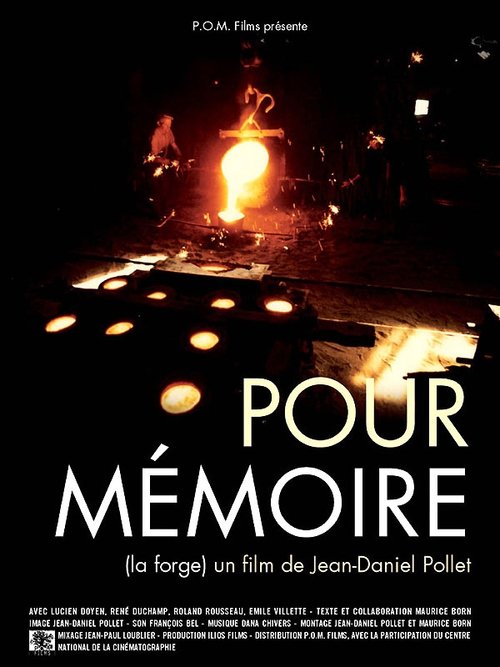
Jean-Daniel Pollet
Runtime
61 minutes
Average Rating
No ratings yetNew Showbiz Analysis
The documentary presents a homogeneous environment of four white male workers. Gender and racial diversity are absent, with no women or non-white individuals credited or shown. LGBTQ+ representation is entirely missing from the narrative and cast. Cultural representation is the strongest category, focusing on the dignity of manual labor and traditional craftsmanship. The film treats the work as a serious, rhythmic cycle rather than a mere industrial process. This focus provides depth to the characters' professional lives. Disability is touched upon briefly through a mention of silicosis. It is presented as a common occupational hazard rather than a central theme. The overall score reflects the lack of demographic variety, despite the strong cultural focus on artisanal skill.
Category Breakdown
No LGBTQ+ identities or relationships appear. The cast consists of four male foundry workers. No same-sex intimacy or romantic connections are depicted in the credits or dialogue.
The narrative focuses entirely on male labor. Women are absent from the foundry floor and the cast list. Men are depicted as the sole agents of production and skill.
The cast is exclusively white French men. No non-white characters appear in the credits or dialogue. The setting is a specific regional French foundry.
The film honors traditional craftsmanship and male solidarity. It frames manual skill, loyalty, and physical labor as dignified and essential. It critiques industrial efficiency while valuing artisanal knowledge.
A worker mentions having silicosis from dust exposure. He describes it as a minor, accepted part of the job. It is not a central plot point or source of conflict.
Present on Screen
Limited or Absent
Official Synopsis
A foundry in Perche was established in 1876. This is a final homage paid to the ancestral occupation of foundrymen, whose actions have been repeated innumerable times through the years and which are now going to disappear forever.
1896
1958

2009
1979
1964
1896
1895
1900
No reviews yet. Be the first to share your thoughts on this movie!
Use the rating form above to leave a star rating and optional review.