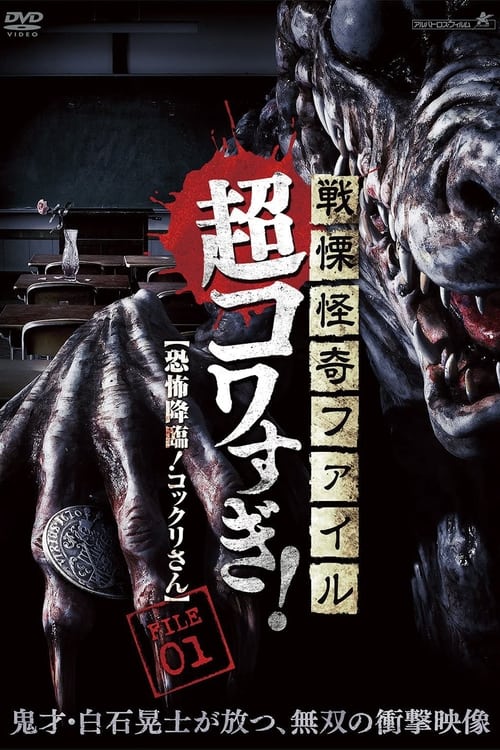
Senritsu Kaiki File Super Kowa Too! Fear Adventure: Kokkuri-san
2015
No user ratings available yet
Representation score: 5.7 out of 10
Representation Score
Fair
2014
Director
Koji Shiraishi
Runtime
80 minutes
Average Rating
No ratings yetNew Showbiz Analysis
The film adheres strictly to the established conventions of the J-Horror found-footage subgenre. Its narrative structure prioritizes atmospheric dread and the investigation of a localized supernatural phenomenon over the exploration of identity politics. Representation is largely reflective of the film's specific cultural and genre origins, without demonstrating an intentional effort to disrupt traditional social hierarchies or advance multi-layered narrative goals.
Category Breakdown
The film does not include any LGBTQ+ characters or narratives. It follows traditional horror structures focused on a group of investigators without exploring non-straight identities.
The ensemble features a female idol and a male physicist. While there is some female presence, the characters function as typical archetypes within a survival scenario.
The cast and setting are predominantly homogeneous, reflecting the film's Japanese production and localized environment. It does not actively challenge traditional casting norms.
The story leans into traditional folklore and psychological terror. It focuses on visceral supernatural experiences rather than critiquing cultural power dynamics or institutions.
Characters experiencing madness are mentioned, but these appear to serve as standard horror plot devices. There is no evidence of nuanced representation of neurodivergence.
Present on Screen
Limited or Absent
Official Synopsis
In this sixth installment, director Kudo enlists the help of powerful psychic Dogen , physicist Masahiko Saito, and idol Akari, to make a big movie while investigating the abandoned "Tatari Village", where anyone who enters goes insane or dies.
2015
2000

2023
2005
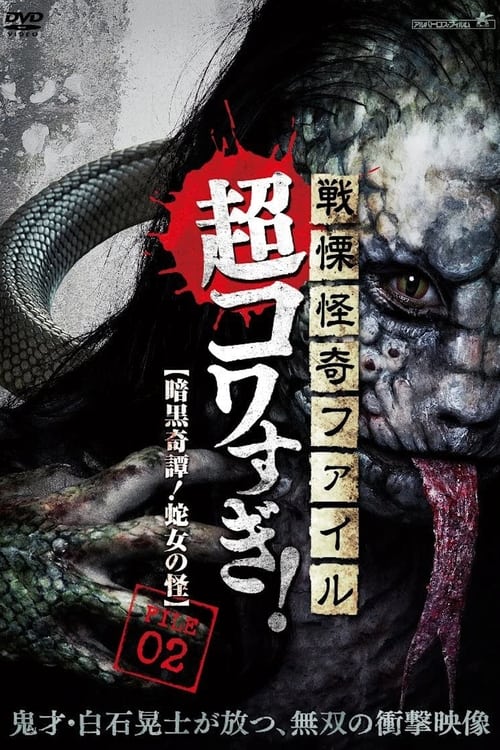
2015
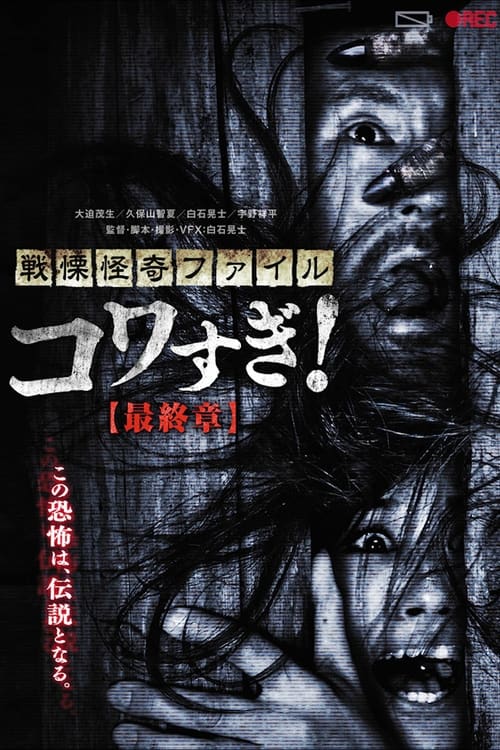
2015
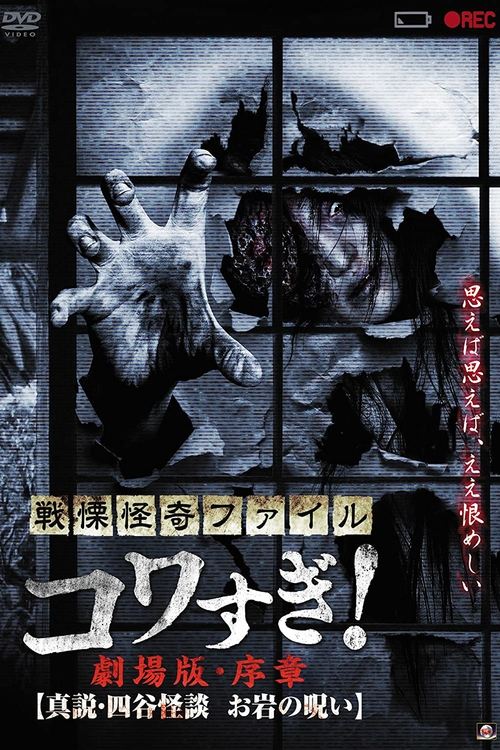
2014
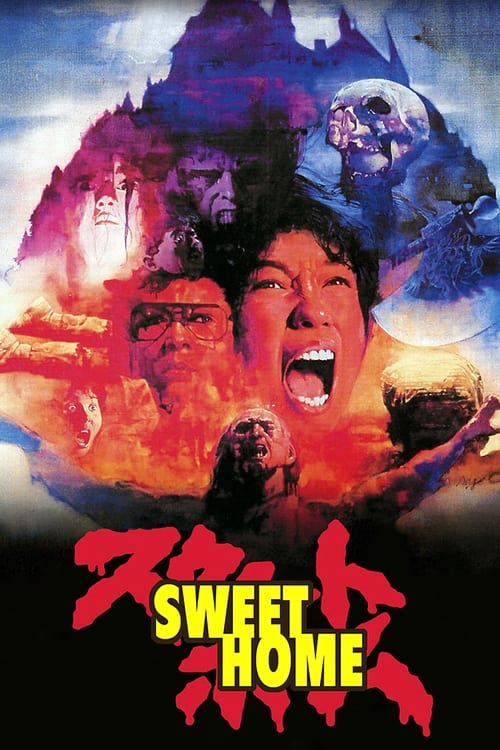
1989
No reviews yet. Be the first to share your thoughts on this movie!
Use the rating form above to leave a star rating and optional review.