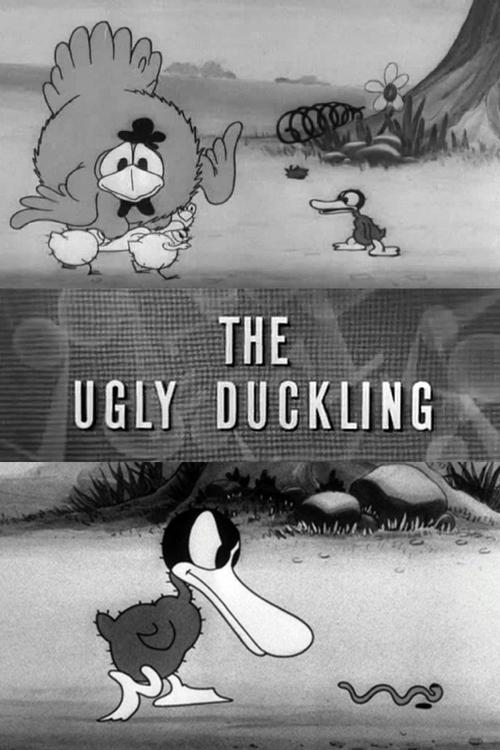
The Ugly Duckling
1931
No user ratings available yet
Representation score: 1.1 out of 10
Representation Score
Minimal
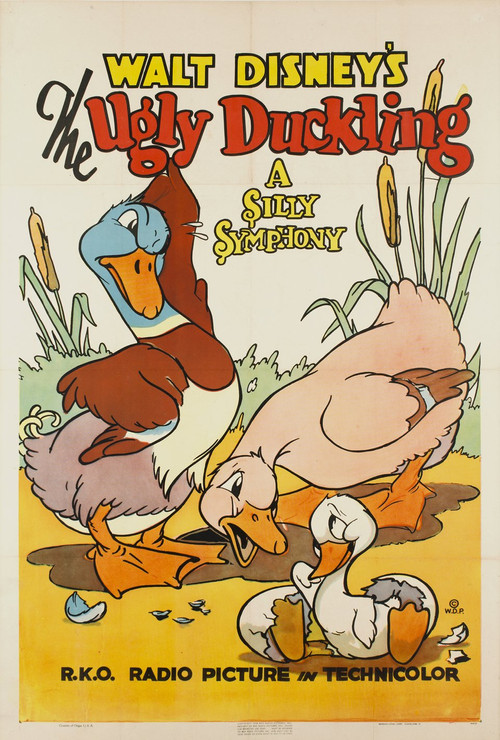
1939
ApprovedDirector
Hamilton Luske, Clyde Geronimi, Jack Cutting
Runtime
9 minutes
Average Rating
No ratings yetNew Showbiz Analysis
This 1939 animated short functions as a classic moral fable centered on the theme of the outsider. While it explores social exclusion, it does so through a restorative lens that emphasizes conformity to a natural order rather than critiquing the structures that cause exclusion. The film relies on universal archetypes and biological destiny. Because the characters are animals, the narrative lacks the complexity needed to address human racial, ethnic, or gendered social hierarchies. Ultimately, the story aims to integrate the protagonist into a standard social hierarchy. It prioritizes finding a rightful place within a predetermined natural order over celebrating inherent differences.
Category Breakdown
The film does not include any LGBTQ+ characters or narratives about non-cisgender identities. It follows a traditional biological and family-focused storyline typical of its time.
character's ability to drive the story is largely tied to biological destiny rather than challenging traditional gender roles. The narrative does not question established masculine or feminine stereotypes.
As an animal-based fable, the film avoids depicting human racial or ethnic diversity. The uniform biological setting restricts the potential for representing human complexity.
The story upholds a traditional moral framework common in early 20th-century fables. It supports conventional ideas of community and a classical view of social hierarchies.
The protagonist's physical difference is resolved through a transformation cliché. Instead of exploring disability with ability to act, the film resolves tension by changing the character to fit societal norms.
Present on Screen
Limited or Absent
Official Synopsis
An outcast duckling's search for a family to accept him leads to constant rejection before learning his true identity as a swan.
1931
1946
1990
1941
2017
1941
2010
1940
No reviews yet. Be the first to share your thoughts on this movie!
Use the rating form above to leave a star rating and optional review.