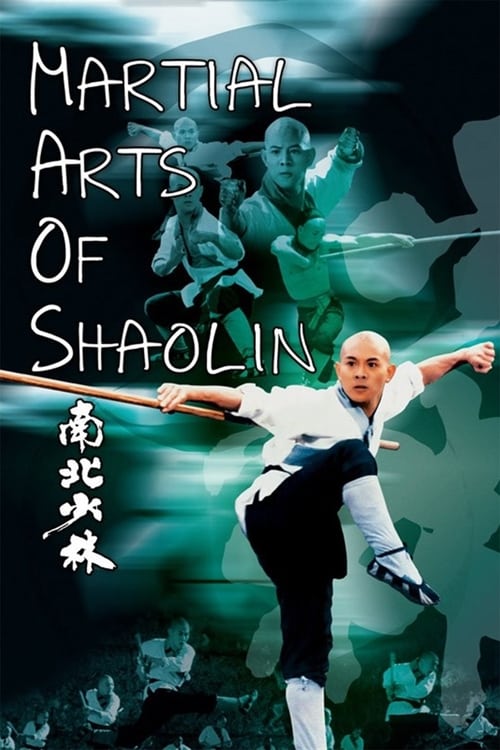
Martial Arts of Shaolin
1986
No user ratings available yet
Representation score: 2.1 out of 10
Representation Score
Limited
1981
Director
Godfrey Ho, Kim Jeong-Yong
Runtime
85 minutes
Average Rating
No ratings yetNew Showbiz Analysis
The film is a genre-standard martial arts epic that prioritizes traditional storytelling formulas over social critique. It succeeds in providing ethnic nuance by navigating the intersection of Korean and Chinese identities within a shared border region. However, the narrative remains anchored in conventional hierarchies. Male characters drive the central conflict, while female characters are relegated to the 'damsel in distress' role to move the plot forward. Ultimately, the work functions as a classic heroic tale. It lacks representation for LGBTQ+ communities and individuals with disabilities, adhering strictly to the cinematic conventions of the early 1980s.
Category Breakdown
The film does not include any visible indicators of LGBTQ themes or non-cisgender identities. The narrative centers on a traditional hero's journey involving martial arts and revenge.
Men like Jin Ho-rim and Pang play significant roles in driving the story, while women such as Chu-hwa mainly serve as plot devices to advance the protagonist’s development.
The story offers ethnic complexity by blending Chinese and Korean identities. The setting explores cross-cultural interactions between the Qing dynasty and Chosun immigrants near the Abrok river.
The film adheres to traditional martial arts morality, emphasizing honor and lineage. It follows classical Eastern storytelling formulas rather than challenging traditional institutions.
There is no evidence of characters with visible or invisible disabilities. The film does not include neurodivergent representation.
Present on Screen
Limited or Absent
Official Synopsis
Near the Abrok river bordering Korea and China, both Chinese citizens of the Qing dynasty and Chosun immigrants live together peacefully. When Yeon Ching-su of the Wol-gwan martial arts sect, a Korean, is killed in a fight against Pang of the Qing's Pacheon sect, his student Jin Ho-rim goes into the mountains to train in the art of Gol-gwon fighting skills with Master Gol-bo. He masters the Gol-gwon skills and descends to find Pang. Pang sends his henchman who is easily beaten by Ho-rim and Pang resorts to kidnapping Master Gol-bo's daughter Chu-hwa. When Ho-rim fails to rescue Chu-hwa, he challenges Pang to a fight to the finish. When Ho-rim is cornered by Pang, Master Gol-bo appears and teaches Ho-rim the secret skill of Gol-gwon and he succeeds in beating Pang. - KMDB
1986
1978
1980
1979
1979
2020
1984
1984
No reviews yet. Be the first to share your thoughts on this movie!
Use the rating form above to leave a star rating and optional review.