Last Clear Chance
1959
No user ratings available yet
Representation score: 0.6 out of 10
Representation Score
Limited
1963
ApprovedDirector
William Dale Jennings
Runtime
15 minutes
Average Rating
No ratings yetNew Showbiz Analysis
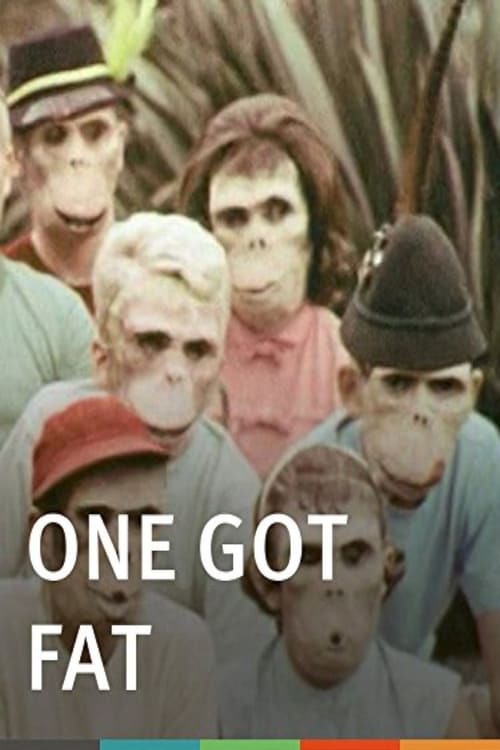
One Got Fat is a mid-century instructional documentary focusing on bicycle safety and civic responsibility. Since its main purpose is educational, it lacks the narrative complexity needed to explore diverse identities or social critiques. The film serves as a historical document that upholds the social norms of 1963. It prioritizes following rules and personal conduct over character development or challenging established hierarchies. Overall, the film reflects the limited diversity of its era through a narrow focus on physical safety and social compliance.
Category Breakdown
The film does not include any LGBTQ+ characters or stories. Its main goal is to provide practical information rather than exploring diverse identities.
The film follows traditional gender roles from the 1960s. It emphasizes safety rules and responsibilities rather than questioning gender hierarchies.
The production reflects a uniform demographic typical of the time. There are no non-white actors or attempts to blend different backgrounds.
The film promotes Western societal values such as order and safety. It emphasizes individual responsibility within a structured society.
Injuries are used as examples of what can happen when rules are broken. However, the film does not offer detailed or nuanced views on disabilities or neurodiversity.
Present on Screen
Limited or Absent
Official Synopsis
This bicycle-safety film shows children what can happen when bicycles are driven carelessly and recklessly.
1959
2003
1896
1980
1896
1973
1956

1952
No reviews yet. Be the first to share your thoughts on this movie!
Use the rating form above to leave a star rating and optional review.