Goodbye, Mr. Germ
1940
No user ratings available yet
Representation score: 1.3 out of 10
Representation Score
Good
1980
Director
Abbas Kiarostami
Runtime
27 minutes
Average Rating
No ratings yetNew Showbiz Analysis
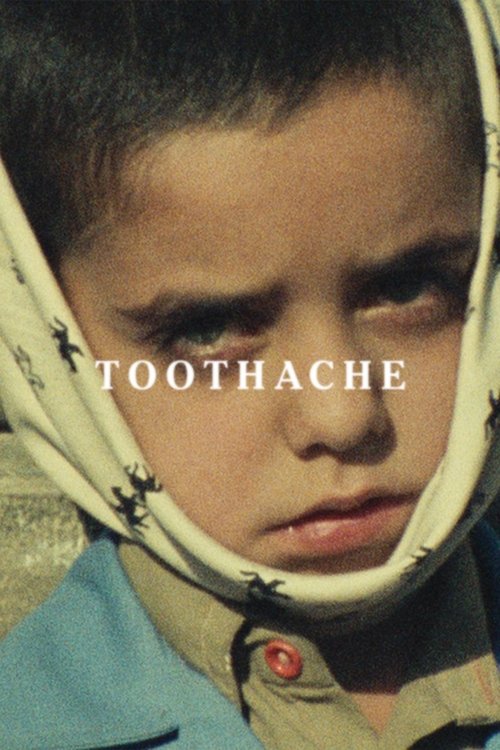
Abbas Kiarostami’s *Toothache* is a minimalist film that uses a minor physical ailment to explore existential and social disconnects. It challenges traditional storytelling by elevating a trivial struggle to a philosophical level, favoring a postmodern approach to reality. The film's main strength lies in its cultural authenticity and its refusal to follow Western-centric norms. By focusing on a localized, subjective experience, it provides a meaningful contrast to standard cinematic conventions. However, the film lacks explicit representation of LGBTQ+ identities or diverse gender roles. Its focus remains narrow, centered on the protagonist's internal reality and immediate surroundings.
Category Breakdown
The film does not include any LGBTQ+ characters or narratives. It centers on the protagonist's inner world and immediate environment.
The story avoids strict gender hierarchies by focusing on individual isolation. It emphasizes a character-driven study of alienation rather than traditional gender power dynamics.
The film offers an authentic look at Iranian life in Tehran. By highlighting a non-Western perspective, it resists the homogenized norms often seen in global cinema.
The film embraces moral relativism and subjective truth through the protagonist's fragmented perception. It subtly questions the stability of traditional social institutions.
A persistent toothache is used to depict chronic physical discomfort. This ailment influences the protagonist's psychological state without being used for mockery.
Present on Screen
Limited or Absent
Official Synopsis
A eductional short film based on a child named Mohammed-Reza and his poor dental habits. A majority of the second half film discusses many questions on dental hygiene.
1940

2019

1989
1987
1980
2016
2015
2016
No reviews yet. Be the first to share your thoughts on this movie!
Use the rating form above to leave a star rating and optional review.