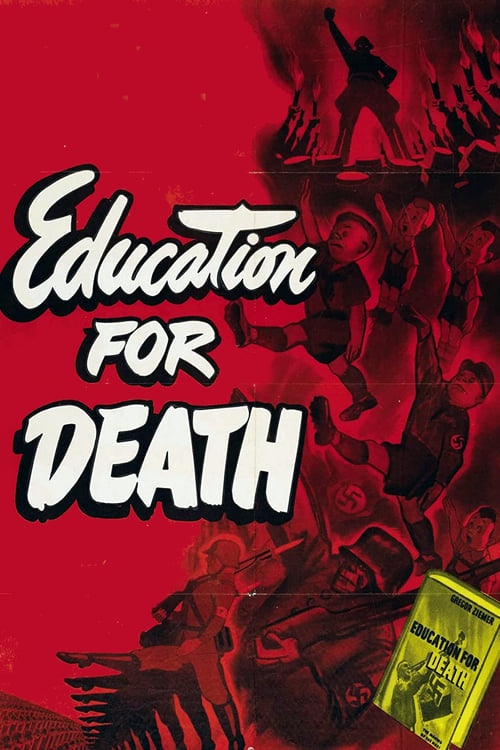
Education for Death: The Making of the Nazi
1943
No user ratings available yet
Representation score: 0.8 out of 10
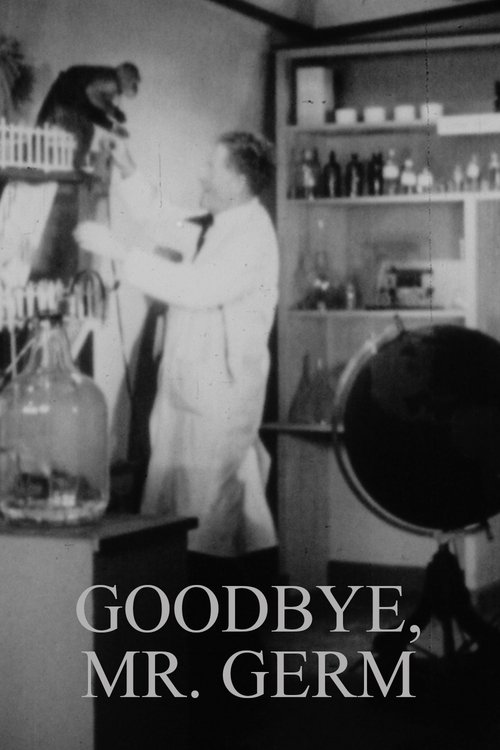
Representation Score
Minimal
1940
TV-PGDirector
Edgar G. Ulmer
Runtime
14 minutes
Average Rating
No ratings yetNew Showbiz Analysis
This educational short functions as a utilitarian tool for public health instruction rather than a character-driven narrative. Because its primary goal is disseminating medical facts about tuberculosis, it prioritizes scientific authority over social exploration. The film adheres to the rigid social hierarchies of 1940, using a paternalistic structure to deliver information. This results in a lack of representation across most identity categories. Ultimately, the work serves a didactic purpose that reinforces traditional Western institutions and conventional gender roles without attempting to disrupt social expectations.
Category Breakdown
The film does not explore any non-straight relationships or identities. It focuses on the pathology of diseases without providing any space for queer subtext or representation.
The film reinforces the social structures of the 1940s by positioning a male doctor as the primary intellectual authority. This setup aligns with traditional paternalistic gender roles.
There is no indication of a diverse cast or intentional racial representation. The content remains strictly focused on the biological mechanics of disease.
The work promotes a traditional Western institutional framework centered on medical authority. It does not engage with religious morality or cultural critiques.
Tuberculosis is treated as a biological cautionary tale rather than a nuanced look at living with illness. It has little control over what happens to them for those with chronic conditions.
Present on Screen
Limited or Absent
Official Synopsis
A doctor explains to his children the dangers of tuberculosis, what it is and how to prevent against contracting it.
1943
1980
1926
1999

1945
1943
1944
1944
No reviews yet. Be the first to share your thoughts on this movie!
Use the rating form above to leave a star rating and optional review.