
Mamma Gógó
2010
No user ratings available yet
Representation score: 6.8 out of 10
Representation Score
Good
2013
Director
Azuma Morisaki
Runtime
113 minutes
Average Rating
No ratings yetNew Showbiz Analysis
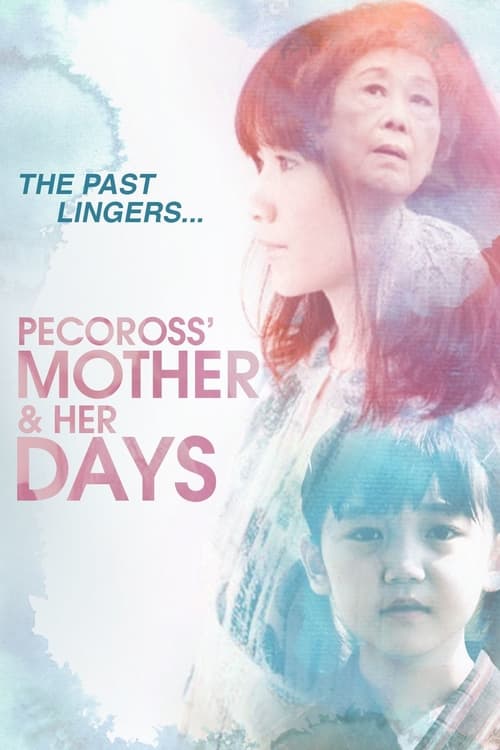
Pecoross' Mother and Her Days succeeds by challenging traditional domestic archetypes. It avoids the 'perfect family' cliché, opting for a realistic, irreverent look at the burdens of caretaking and the instability of traditional masculine roles. The film's strength lies in its nuanced portrayal of aging and cognitive disability. By centering on Mitsue's journey through the 20th century, it highlights her significant role in the story despite her declining health. However, the film lacks overtly diverse representation. It remains focused on a conventional straight-centered structure and a localized Japanese context, limiting its broader social diversity.
Category Breakdown
The film centers on a traditional family unit and does not include any LGBTQ+ characters or non-straight relationships.
Mitsue's resilience challenges traditional gender roles. By depicting her husband as an unstable alcoholic, the film portrays masculinity as a source of chaos that Mitsue must manage.
This is a culturally specific Japanese production. While it does not feature diverse ethnicities, it offers a detailed look at the Japanese experience throughout the 20th century.
The narrative deconstructs idealized family clichés. It delves into the heavy burdens of caretaking and the tumult of history, rather than presenting a purely harmonious or conservative view of domestic life.
The film provides a significant look at dementia and its impact on the family. It explores the emotional and systemic effects of cognitive decline on the family, focusing on Mitsue's journey through the 20th century.
Present on Screen
Limited or Absent
Official Synopsis
Laid-back baby boomer Yuichi (Ryo Iwamatsu) is a middle-aged manga artist and singer-songwriter when he isn't at his salaryman day job or watching out for his elderly mother. Suffering from increasing dementia since her husband's death, Mitsue (Harue Akagi) is a constant source of comic energy or annoyance for Yuichi, and he and his son must soon decide if they should put her in a home for the elderly. Jumping back in time, we see how Mitsue (played by Kiwako Harada) tracked the tumult of the latter half of the 20th century, being raised as one of 10 brothers and sisters, surviving the war, and having to push her alcoholic husband (Ryo Kase) along in life. "Pecoross" is directed by the oldest active film director in Japan, Azuma Morisaki, who creates an emotionally complex work that is only the more profound and life-affirming for its cartoonish portrayal.
2010

2006
2023

2014
1995
2003
2013

2023
No reviews yet. Be the first to share your thoughts on this movie!
Use the rating form above to leave a star rating and optional review.