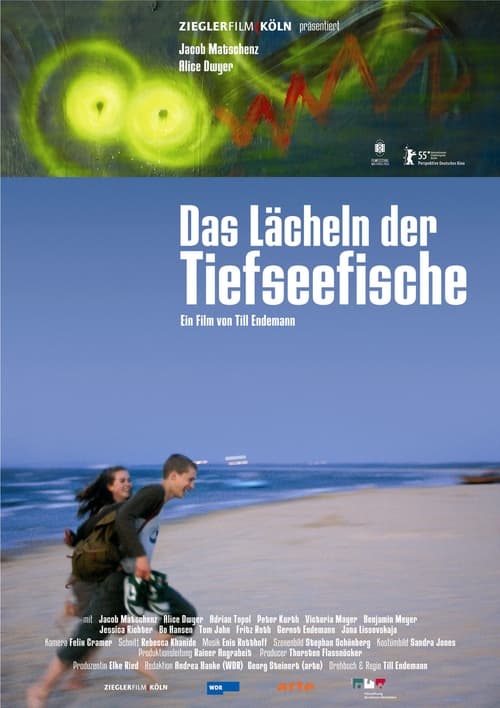
Das Lächeln der Tiefseefische
2005
No user ratings available yet
Representation score: 4.9 out of 10
Representation Score
Excellent
2003
Director
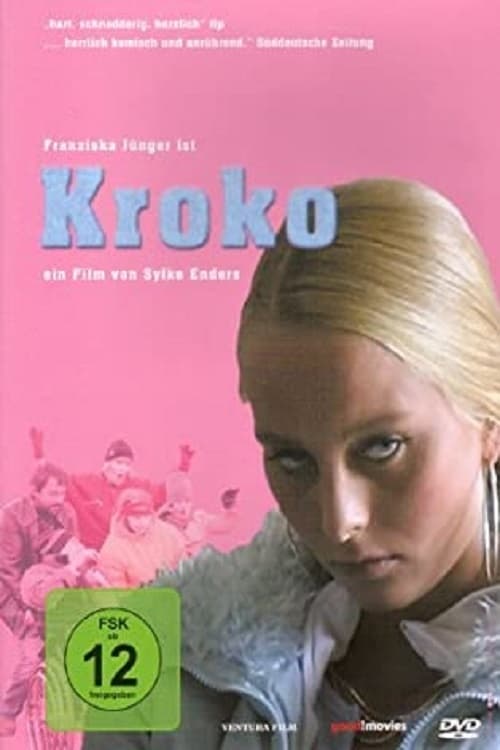
Sylke Enders
Runtime
92 minutes
Average Rating
No ratings yetNew Showbiz Analysis
Kroko is a gritty character study that challenges the notion of normalcy. By focusing on a delinquent protagonist who finds kinship with the disabled, the film avoids the usual moral hierarchies found in social dramas. The film effectively portrays disability as a site of genuine human connection rather than a tool for pity. It also offers a fresh perspective on women's ability to drive the story, presenting a protagonist who is volatile and unapologetically tough. However, the film lacks visible representation of LGBTQ+ identities or specific racial diversity. While the urban setting suggests a multicultural environment, the narrative focus remains on the intersection of social delinquency and physical ability.
Category Breakdown
The film does not explicitly mention queer identities or non-straight relationships. It focuses on the protagonist's social conflicts and her integration into a shared living space.
Kroko defies traditional feminine stereotypes by acting as a disruptive and independent force. She is portrayed with toughness and decisiveness, traits usually associated with male noir characters.
The film emphasizes class and ability rather than ethnic diversity. Although set in Berlin, which suggests a multicultural environment, there is no specific evidence of racial diversity among the characters.
The story critiques mainstream social structures by depicting 'normalos' as morally ambiguous. It highlights authentic connections within underrepresented communities rather than in conventional society.
Characters with disabilities play a central role in the social ecosystem. The film avoids pity, instead showing a complex, mutual human connection between the protagonist and the disabled community.
Present on Screen
Limited or Absent
Official Synopsis
She is the blonde poison of the backyards, the femme fatale of the Wedding side street. Coolness hangs heavy on her eyelids. It could be mistaken for boredom - if it weren't for her tough tone of voice and her willingness to ice-coldly clear her opponents out of the way. One of her license-free joyrides results in an accident. A court orders her to do community service in a shared flat for the disabled, which she finds an imposition. But the "normalos" she lives with aren't that great either, and it seems as if Kroko finds something in the "spastics" that she lacks in her everyday life.
2005

2019
2003
2013
2000
2003
1993

2005
No reviews yet. Be the first to share your thoughts on this movie!
Use the rating form above to leave a star rating and optional review.