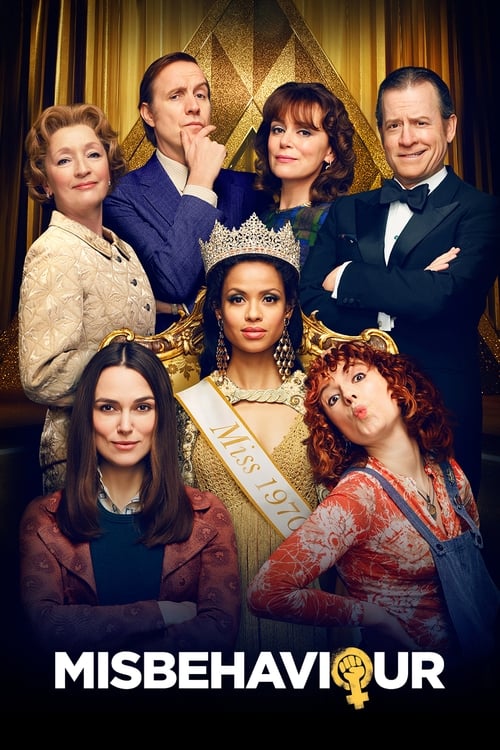
Misbehaviour
2020
No user ratings available yet
Representation score: 6.6 out of 10
Representation Score
Fair
2010
RDirector
Nigel Cole
Runtime
113 minutes
Average Rating
No ratings yetNew Showbiz Analysis
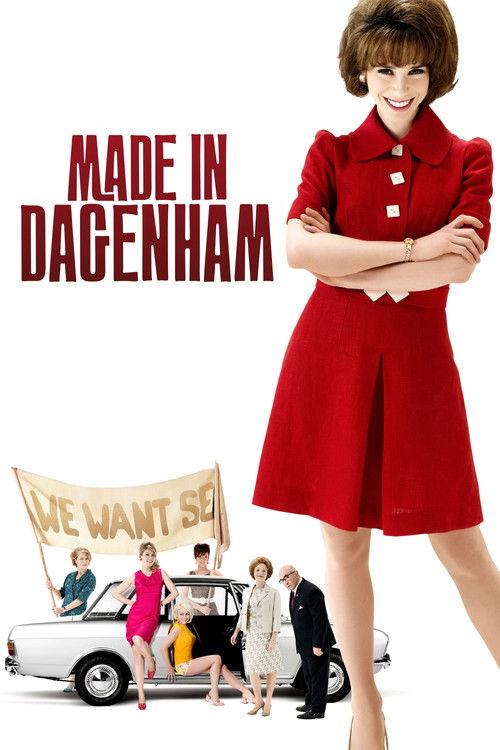
Made in Dagenham is a powerful historical drama that centers on female factory workers challenging the male-dominated wage structures of 1968 East London. The film's strength lies in its portrayal of women as the primary drivers of systemic change, subverting traditional gender hierarchies. However, the film's scope is limited by its historical setting, resulting in a lack of LGBTQ+, racial, and disability representation. Despite this, the film provides a strong critique of corporate capitalism and patriarchal authority.
Category Breakdown
The film focuses on the heterosexual relationships and social structures of 1968 East London. It does not include any LGBTQ+ characters or narratives that challenge the assumption that everyone is straight or cisgender through queer identity.
The narrative centers on female factory workers who challenge the male-dominated wage structures. It effectively portrays the tension between domestic expectations and professional autonomy, giving women significant roles in driving the story.
The cast is predominantly homogeneous, reflecting the specific socio-historical context of a 1968 East London working-class community. It does not use diverse casting to challenge the period's constraints.
The film critiques established Western institutions by targeting the intersection of corporate capitalism and patriarchal authority. It frames the strike as a necessary reclamation of rights against an oppressive entity.
There are no prominent depictions of visible or invisible disabilities that serve as central character arcs or plot drivers.
Present on Screen
Limited or Absent
Official Synopsis
A dramatization of the 1968 strike at the Ford Dagenham car plant, where female workers walked out in protest against sexual discrimination.
2020
1990

2017
1954
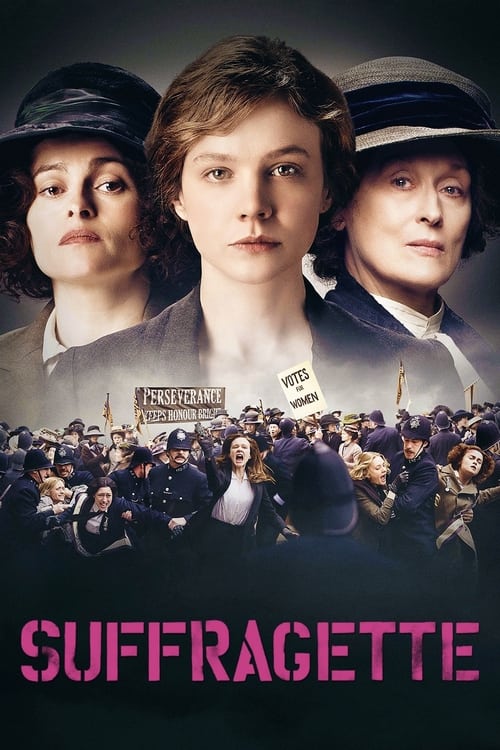
2015
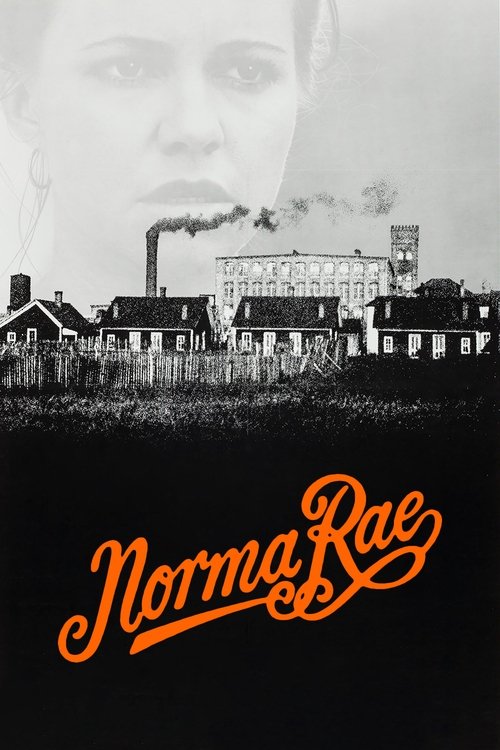
1979

2018
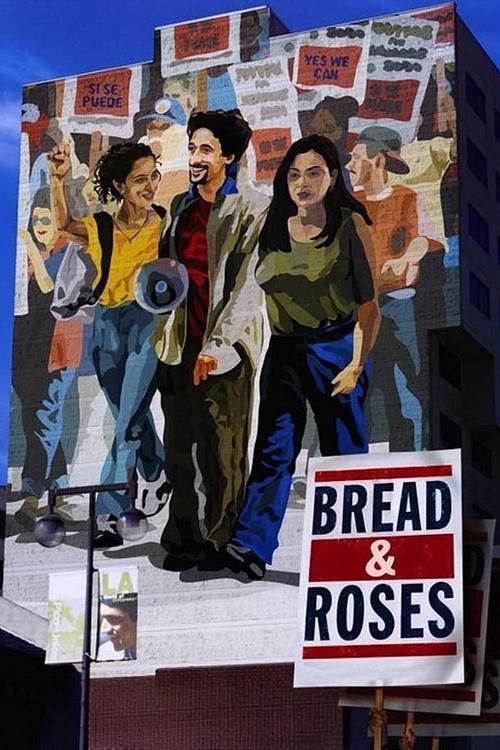
2000
No reviews yet. Be the first to share your thoughts on this movie!
Use the rating form above to leave a star rating and optional review.