
Asahinagu
2017
No user ratings available yet
Representation score: 3.5 out of 10
Representation Score
Fair
2010
Director
Tomoyuki Furumaya
Runtime
109 minutes
Average Rating
No ratings yetNew Showbiz Analysis
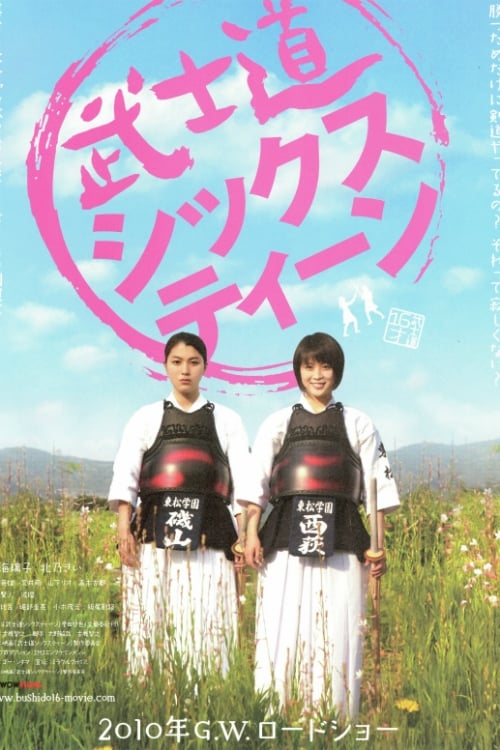
Bushido Sixteen is a character-driven sports drama that centers women's ability to drive the story within the traditionally masculine context of kendo. The rivalry between Kaori and Sanae provides a focused psychological tension that challenges established hierarchies of skill. However, the film remains within a conventional narrative trajectory, prioritizing personal achievement and merit-based competition over systemic critique or broader diversification. Ultimately, it serves as a standard regional drama without addressing broader social issues.
Category Breakdown
The film centers on a rivalry between two female protagonists without explicitly addressing LGBTQ+ identities or critiquing the assumption that everyone is straight or cisgender.
The story places women at the center of a physically demanding martial arts narrative, challenging traditional expectations of competence when a casual practitioner defeats a lifelong expert.
The film maintains a culturally homogeneous cast, focusing on kendo and the traditions of Japanese martial arts without ethnic diversification.
The narrative operates within the framework of traditional Japanese martial arts culture, emphasizing individual discipline and meritocratic competition without broader cultural critique.
There is no mention of characters navigating physical, neurodivergent, or mental health conditions. The narrative does not address disability within its competitive framework.
Present on Screen
Limited or Absent
Official Synopsis
Kaori is an intense kendo fighter who has been training since she was young. Sanae is a girl who has only participated in kendo casually, but somehow manages to beat Kaori in the final tournament of junior high school. Although Sanae doesn’t particularly care about it, Kaori holds a grudge, setting up a rivalry that bleeds over into high school.
2017
1943

2008

1999
2023

2017

1991

2007
No reviews yet. Be the first to share your thoughts on this movie!
Use the rating form above to leave a star rating and optional review.