Commuters
1988
No user ratings available yet
Representation score: 2.9 out of 10
Representation Score
Good
1979
Director
Inna Tumanyan
Runtime
84 minutes
Average Rating
No ratings yetNew Showbiz Analysis
The film presents a character-driven narrative that challenges typical adolescent clichés by emphasizing empathy and intellect. By drawing parallels to Cyrano de Bergerac, the story emphasizes moral integrity and literary sophistication over physical dominance. While it doesn't include modern markers of diversity, such as race and LGBTQ+ identities, it provides a meaningful exploration of a protagonist facing social and physical limitations. Ultimately, the film's strength lies in its rejection of physical prowess as the sole measure of a man, favoring a more intellectually complex definition of heroism.
Category Breakdown
The story revolves around teenage romance and unrequited love, following traditional romantic themes without explicit LGBTQ+ identities or hidden messages.
The film challenges traditional masculinity by emphasizing emotional intelligence and wit over physical dominance. Petya’s choice to help his rival highlights a more nuanced understanding of manhood.
The narrative focuses on internal social dynamics within a homogeneous setting. There is no significant racial blending or diverse cultural representation.
The film promotes romantic idealism and intellectualism through a classical European literary perspective. It prioritizes personal emotional truth over societal or state-centric norms.
Petya’s short stature is a key part of his identity and social interactions. He uses his intellect to navigate challenges, avoiding stereotypes about his physical form.
Present on Screen
Limited or Absent
Official Synopsis
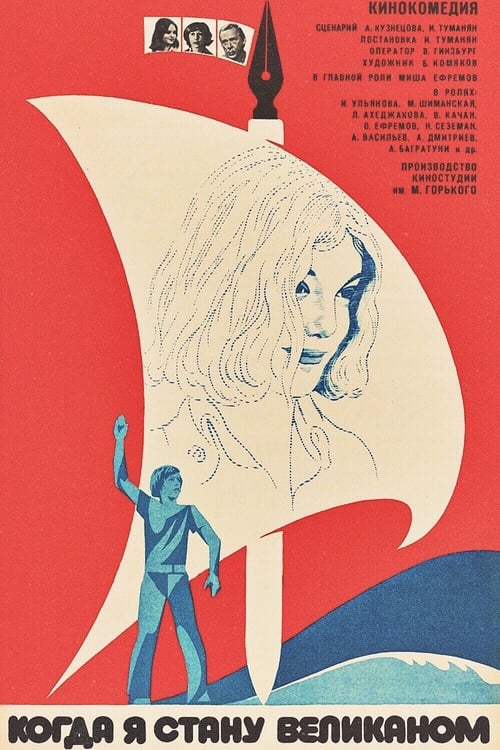
Eight-grader Petya Kopeikin, despite his short stature and nondescript appearance, is constantly in the spotlight. Petya is noble, witty, well versed in literature, he writes wonderful poems. Kopeikin has long been secretly in love with his classmate Masha Goroshkina, and she is passionate about the new student from 9 "A" Kolya Kristallov. Masha tells Petya about her feelings and asks him to hand over a note to Kolya. Deeply worried from unrequited love, Petya not only doesn't stand in the way of a happier rival, but even helps him win Masha's heart. He wants to prove that courage and honor were not only inherent in the times of “musketeer” novels, but exist in our time. Petya chooses to follow the example of the hero of the famous play Edmond Rostan and in his actions copies Cyrano de Bergerac.
1988
1990
1979

2010
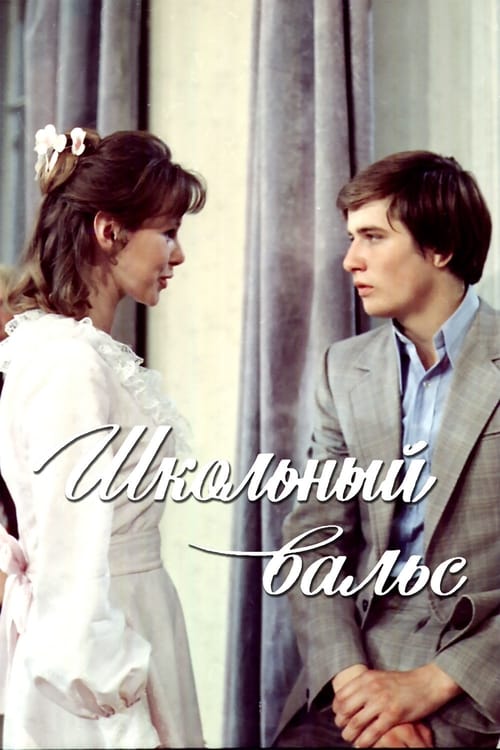
1977
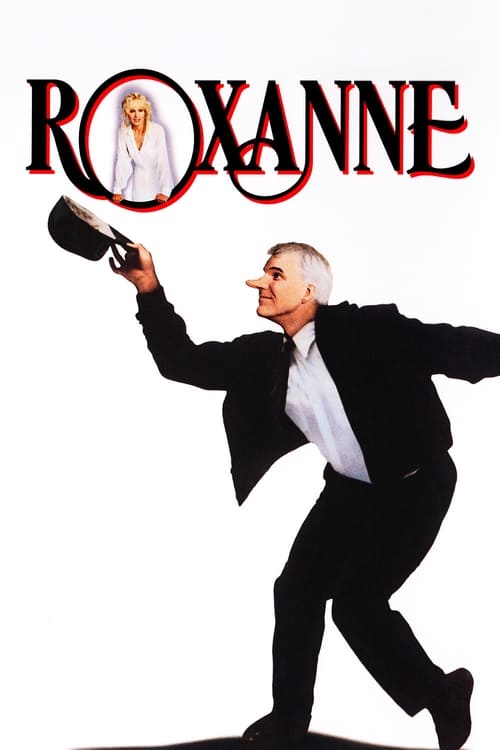
1987
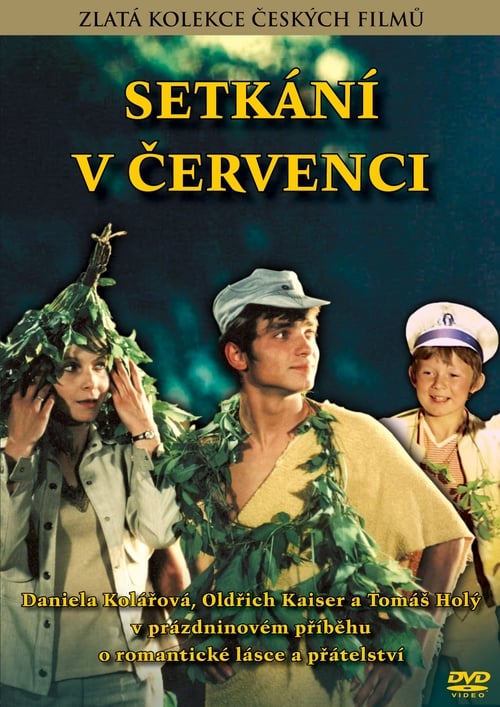
1978
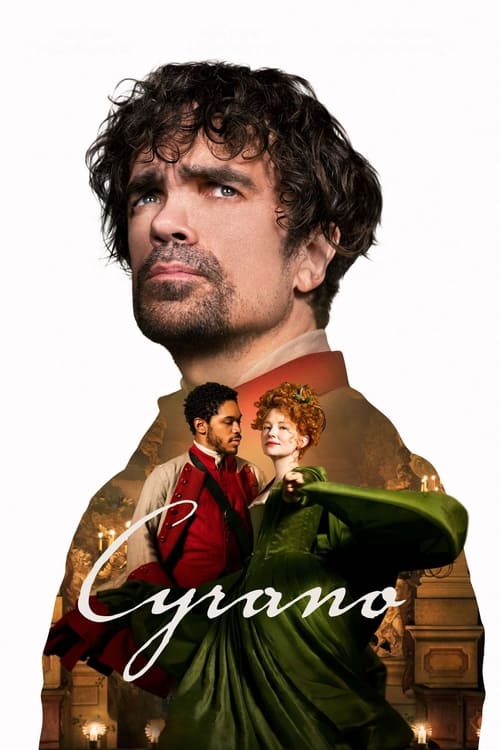
2021
No reviews yet. Be the first to share your thoughts on this movie!
Use the rating form above to leave a star rating and optional review.