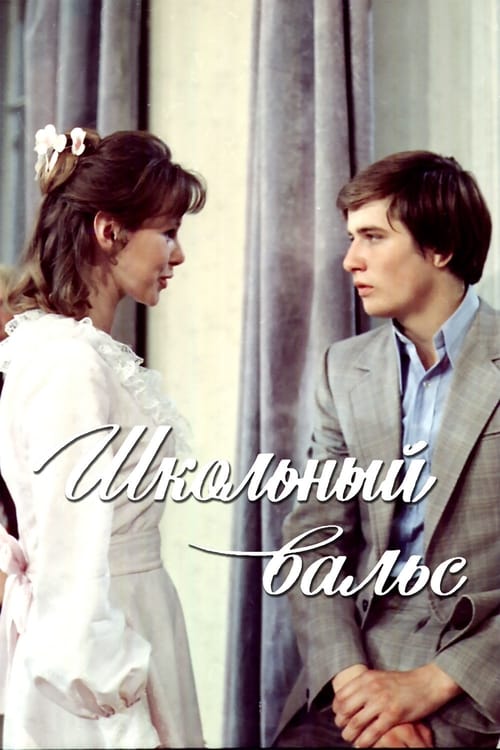
The School Waltz
1977
No user ratings available yet
Representation score: 2.9 out of 10
Representation Score
Fair
1979
Director
Ernest Yasan, Nikolai Lebedev
Runtime
76 minutes
Average Rating
No ratings yetNew Showbiz Analysis
The film offers a nuanced character study that emphasizes psychological realism over traditional heroic narratives. It successfully challenges gender stereotypes by giving the female protagonist significant depth and independence. However, the film's homogeneous social environment limits its representation of diverse identities. The lack of LGBTQ+, racial, and disability representation reflects the demographic norms of its specific historical and geographic context. Ultimately, the film's strength lies in its exploration of moral complexity, moving away from simplistic storytelling to examine the ego and social consciousness of its characters.
Category Breakdown
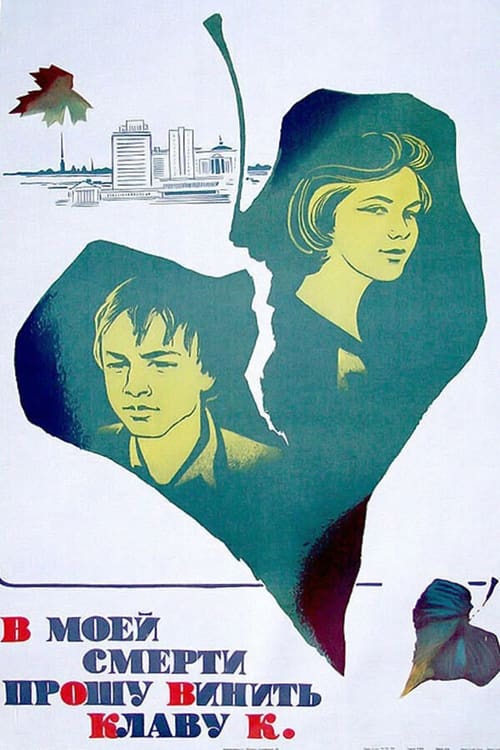
The film centers on a traditional love triangle involving Klava, Seryozha, and Lavrik. There are no explicit representations of LGBTQ+ identities or non-straight relationships.
Klava challenges traditional gender roles by rejecting the male lead due to his condescending attitude. She is shown as an independent and self-actualized person rather than a passive romantic figure.
The production portrays a homogeneous society typical of its Soviet-era setting. There is no indication of racial diversity or non-Anglo-centric representation in the storyline.
The narrative delves into moral relativism by questioning the protagonist's narcissism. It shifts focus from individual drama to the broader social issues faced by the community.
The story does not include any characters with visible or invisible disabilities. There is no information about neurodivergence or chronic illness.
Present on Screen
Limited or Absent
Official Synopsis
Klava and Seryozha (Sergey) have been together since preschool. He, one of the smartest kids in school, has always been in love with her but considered her more of just a pretty face rather than an intelligent person. He let her copy his homework and gave her his parents' things as gifts. When they are teens, Klava rejects his love because she knows that he doesn't value her for her, and instead is attracted to Lavrik, another intelligent boy from school. Klava likes him because for the first time she feels like someone is really interested in her as a person. Seryoszha, being very dramatic and wanting Klava's/everyone else's sympathy, writes a suicide note, "Please blame Klava K. for my death," but can he really commit suicide? Eventually he realizes that he is being too shallow and that while he makes such a drama out of such small problems, the people around him have real problems, but never said a thing.
1977

1961

1977

1970
1962
1979

1988
1979
No reviews yet. Be the first to share your thoughts on this movie!
Use the rating form above to leave a star rating and optional review.