
The Amazing Mrs. Holliday
1943
No user ratings available yet
Representation score: 2.7 out of 10
Representation Score
Limited
1944
NRDirector
Gregory Ratoff
Runtime
107 minutes
Average Rating
No ratings yetNew Showbiz Analysis
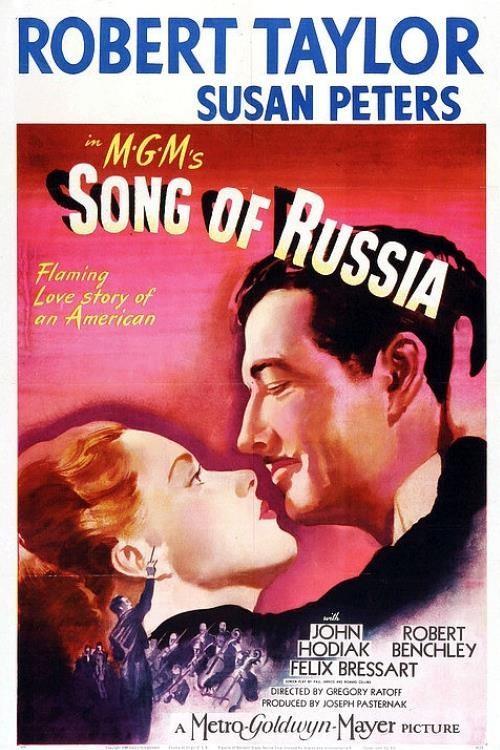
Song of Russia is a product of its wartime era, designed more for geopolitical diplomacy than social critique. It succeeds in offering a rare, positive depiction of Soviet communal life, which deviates from the standard Western-centric propaganda of the 1940s. However, the film remains tied to traditional Hollywood conventions. It lacks any representation of LGBTQ+ identities or disabilities and relies on romanticized, idealized portrayals of Russian citizens rather than complex ethnic roles. Ultimately, the film’s diversity is uneven. It earns points for its unique cultural framing of a non-Western social structure but fails to address modern standards of gender or identity.
Category Breakdown
The film follows traditional 1940s structures where everyone is assumed to be straight or cisgender. There are no stories involving non-traditional gender identities or same-sex relationships.
Nadya Stepanova is a strong central figure, but the film relies on traditional romantic clichés. The dynamics between characters follow established period norms for courtship.
The film provides cultural immersion through Russian settings but keeps a Western perspective. It portrays Soviet citizens in a romanticized, idealized way.
The story presents the Soviet Union as a place of collective achievement. This challenges typical capitalist narratives by showing the Soviet dream positively.
There is no representation of physical or neurodivergent disabilities in the character arcs.
Present on Screen
Limited or Absent
Official Synopsis
American conductor John Meredith and his manager, Hank Higgins, go to Russia shortly before the Nazi invasion of the Soviet Union. Meredith falls in love with beautiful Soviet pianist Nadya Stepanova while they travel throughout the country on a 40-city tour. Along the way, they see happy, healthy, smiling, free Soviet citizens, blissfully living the Communist dream. This bliss is destroyed by the German invasion.
1943

1959

1961

1940

1959

1957

1943

1954
No reviews yet. Be the first to share your thoughts on this movie!
Use the rating form above to leave a star rating and optional review.