
GS Wonderland
2008
No user ratings available yet
Representation score: 4.5 out of 10
Representation Score
Fair
1985
Not RatedDirector
Makoto Tezuka
Runtime
98 minutes
Average Rating
No ratings yetNew Showbiz Analysis
The film serves as a sophisticated look at identity through the lens of pop performance. It disrupts traditional male clichés by using artistic artifice to challenge social hierarchies. However, the narrative remains limited by its focus on male-centric brotherhood and a lack of explicit queer or multi-layered approaches. The female character, while important, lacks full autonomy. Ultimately, the film offers a nuanced critique of how industry demands can force the sacrifice of authentic identity for mass appeal.
Category Breakdown
The film uses highly stylized, gender-fluid aesthetics with silver jumpsuits and synth-pop personas. While it challenges traditional masculinity, it doesn't have explicit queer storylines or direct critiques of straight relationships.
The story challenges rigid masculine roles by turning the protagonists into polished, aestheticized performers. A female character provides a counterpoint to the male-dominated plot, though her role is tied to her position as a fan.
The production features a culturally consistent Japanese cast and setting. It avoids a white-centered perspective by offering a localized view of stardom rooted in its specific historical and cultural context.
The narrative critiques the entertainment industry by showing fame as a transactional force. It explores the tension between personal ambition and the systemic pressures of a corrupt capitalist system.
There is no significant evidence regarding the portrayal of visible or invisible disabilities in this work.
Present on Screen
Limited or Absent
Official Synopsis
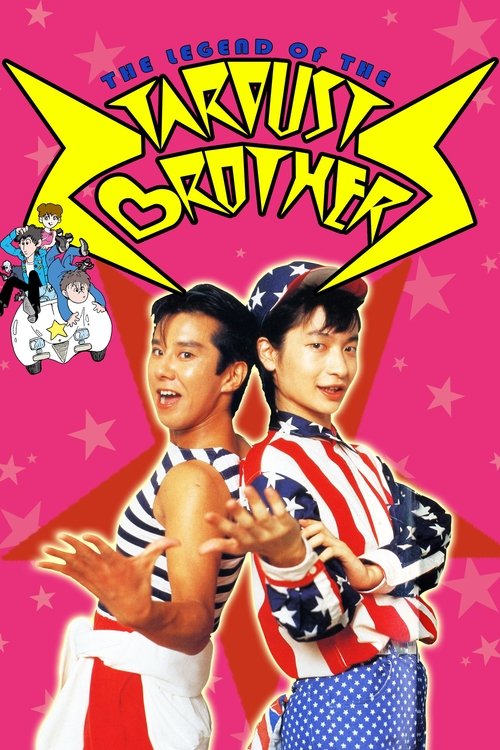
A shady music mogul brings together two wannabe stars—punk rock rebel Kan and new-wave crooner Shingo—and transforms them into the Stardust Brothers, a girl-friendly, silver-jumpsuited, synth-pop sensation. Along with their #1 fan, who herself dreams of a music career, the duo rockets to stardom.
2008

2005
2015

2005
1983
2022
1998
2022
No reviews yet. Be the first to share your thoughts on this movie!
Use the rating form above to leave a star rating and optional review.