
Mr. Idol
2011
No user ratings available yet
Diversity score: 4.8 out of 10

2008
Director
Ryūichi Honda
Runtime
100 minutes
Average Rating
No ratings yetSynopsis
"GS Wonderland" is about the 1960's Group Sounds bands - A Japanese pop movement inspired by the Beatles and other mid-1960's Brit Pop. Three young men set out to start their own band "The Diamonds" when they are signed to a recording contract during their very first rehearsal. Things turn for the unexpected when their agent brings Mick (Chiaki Kuriyama) into the group as their keyboardist.
Overall Score
Fair
Category Breakdown
LGBTQ+ Representation
The film lacks explicit LGBTQ+ characters or narratives. It focuses on the social and professional dynamics of a 1960s pop band, which follows traditional heteronormative frameworks.
Gender Representation
The story disrupts 1960s musical hierarchies by introducing Mick, a female keyboardist, into an all-male band. This provides a platform for female agency within a professional musical context.
Racial & Ethnic Diversity
The film explores cultural hybridity rather than multi-ethnic casting. It examines the blending of Western rock-and-roll influences with Japanese pop sensibilities during the Group Sounds era.
Religious & Cultural Diversity
The narrative examines the tension between traditional Japanese social structures and the subversive energy of Western-inspired music. It highlights the cultural evolution triggered by globalized pop culture.
Disability Representation
There is no visible evidence regarding the portrayal of physical or neurodivergent disabilities within the film's context.
Strengths
Areas for Improvement
AI Analysis
GS Wonderland serves as a cultural retrospective of the 1960s Japanese Group Sounds movement. Its primary strength lies in its depiction of gendered professional disruption, specifically through the inclusion of a female musician in a male-dominated industry. However, the film remains limited in its scope of identity politics. It does not engage with LGBTQ+ narratives or broader intersectional frameworks, focusing instead on the historical synthesis of Western and Japanese musical styles. Ultimately, the film acts as a study of cultural hybridization and shifting social norms through the lens of a specific musical subculture.
2011
1985

1998

2013
1987
1960

1985

2012
2013
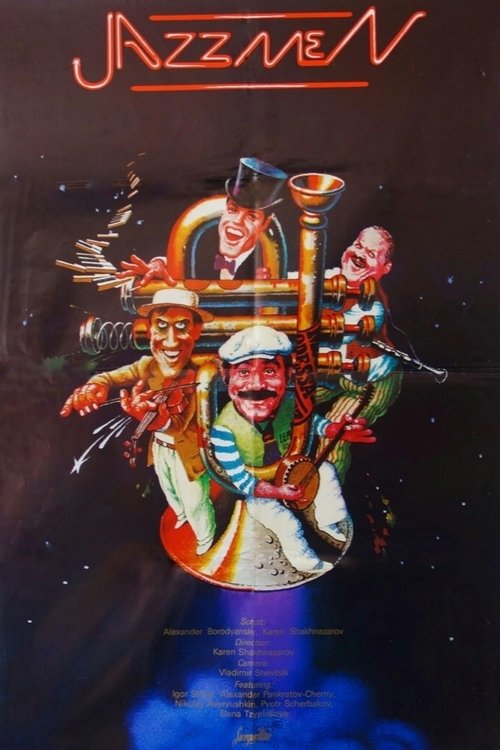
1983
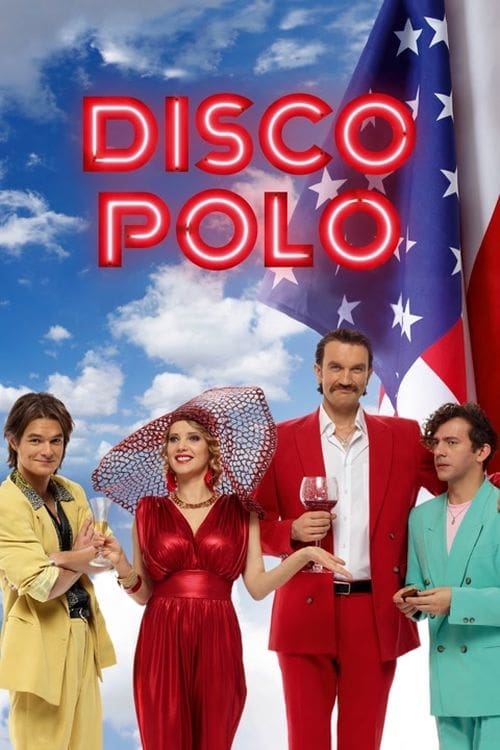
2015

2012
No reviews yet. Be the first to share your thoughts on this movie!
Use the rating form above to leave a star rating and optional review.