
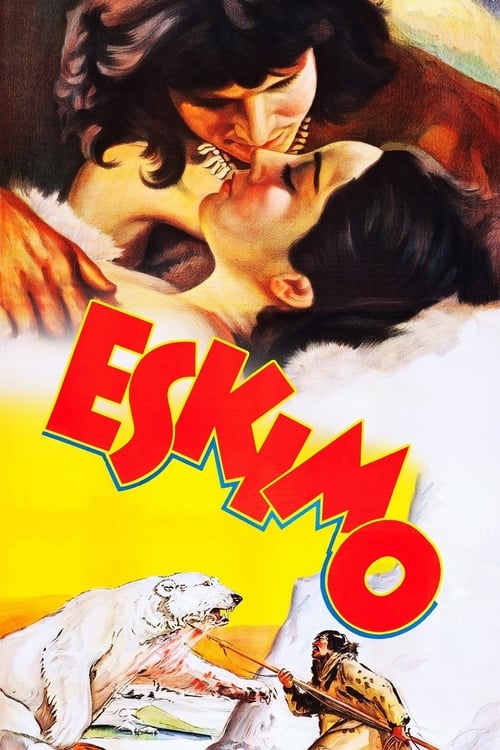
Eskimo
1930
No user ratings available yet
Representation score: 3.4 out of 10
Representation Score
Limited
1933
PassedDirector
W.S. Van Dyke
Runtime
117 minutes
Average Rating
No ratings yetNew Showbiz Analysis
Eskimo (1933) is a complex ethnographic drama that balances authentic casting with colonial storytelling. By using actual Inuit performers, the film avoids the common practice of white actors in prosthetic makeup, providing a genuine visual presence. However, the narrative remains tied to the social structures of the 1930s, adhering to straight-centered standards and a Western gaze that often positions indigenous characters as subjects of ethnographic interest rather than modern protagonists. The tension between its casting choices and colonial power dynamics shapes the viewing experience.
Category Breakdown
The film focuses on traditional romantic conflicts and tribal survival. There is no depiction of same-sex intimacy or non-binary gender identities.
Characters adhere to traditional gender roles typical of the Arctic setting. While Niviarsiaq is central to the romance, the film upholds conventional 1930s gender hierarchies.
The film uses indigenous Inuit actors, avoiding the common practice of white actors in makeup. However, the story is told through a Western ethnographic perspective.
The film portrays a communal, subsistence-based society responding to environmental needs. The depiction does not critique Western capitalist models.
There are no prominent depictions of visible or invisible disabilities that significantly impact the characters or the plot.
Present on Screen
Limited or Absent
Official Synopsis
The happy life of an Eskimo is disastrously changed when he mingles with an unscrupulous white trader.
1930
1925
1928
1931
1931
1931
1942

1928
No reviews yet. Be the first to share your thoughts on this movie!
Use the rating form above to leave a star rating and optional review.