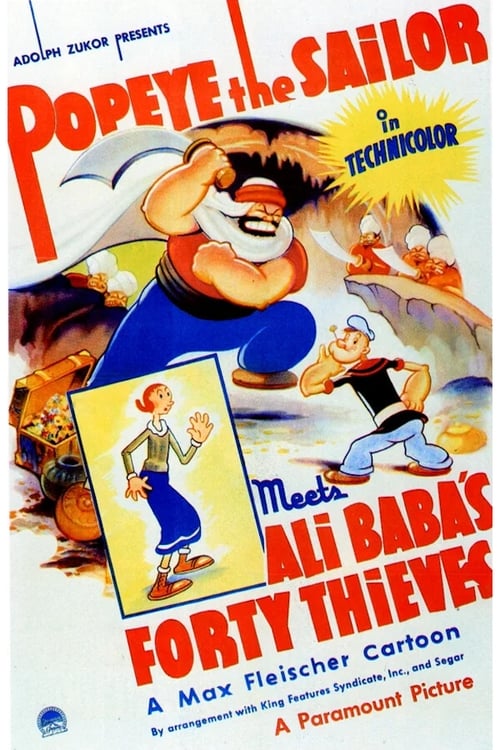
Popeye the Sailor Meets Ali Baba's Forty Thieves
1937
No user ratings available yet
Representation score: 0.3 out of 10
Representation Score
Minimal
1947
ApprovedDirector
Bill Tytla
Runtime
9 minutes
Average Rating
No ratings yetNew Showbiz Analysis
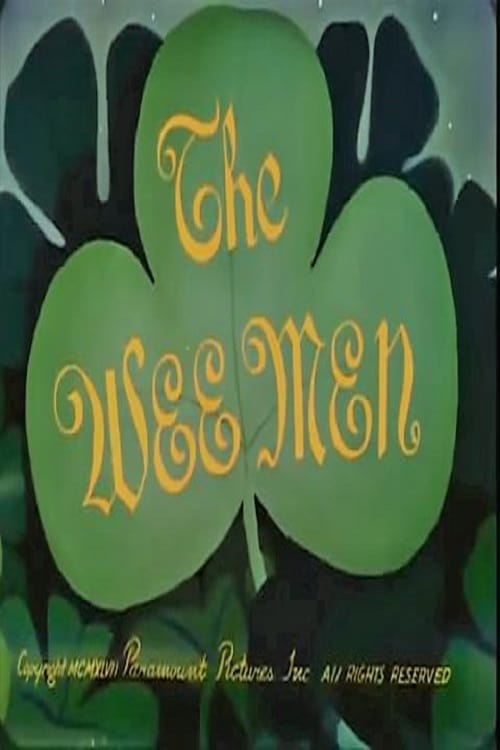
The film is a traditional mid-century animated short that relies heavily on established folkloric archetypes. It follows a straightforward moral storyline, where a young leprechaun faces off against a greedy antagonist. While the use of Irish mythology adds cultural depth, the representation remains within the confines of conventional 1940s animation. The narrative lacks the complexity needed to explore diverse identities or social structures. Ultimately, the work serves as a simple fable of altruism versus greed, prioritizing classic storytelling over diverse or subversive characterizations.
Category Breakdown
The film does not include any characters with non-binary gender identities or same-sex relationships. The story focuses on a male protagonist's journey into adulthood.
The narrative centers around a male hero and a male villain, reinforcing traditional masculine roles without much involvement from female characters.
Leprechauns represent Irish culture through mythological figures. However, these depictions rely on well-known cultural stereotypes rather than detailed portrayals.
The plot follows a classic good versus evil storyline centered on communal altruism. It adheres to traditional folk morality without questioning Western norms.
There are no characters with physical, sensory, or neurodevelopmental disabilities in this story.
Present on Screen
Limited or Absent
Official Synopsis
The story of Leprechauns who make shoes for the poor. When the youngest reaches manhood, he insists on making the delivery. However, a local crook makes plans to catch him so he'll lead him to their crock of gold.
1937
1926
1933
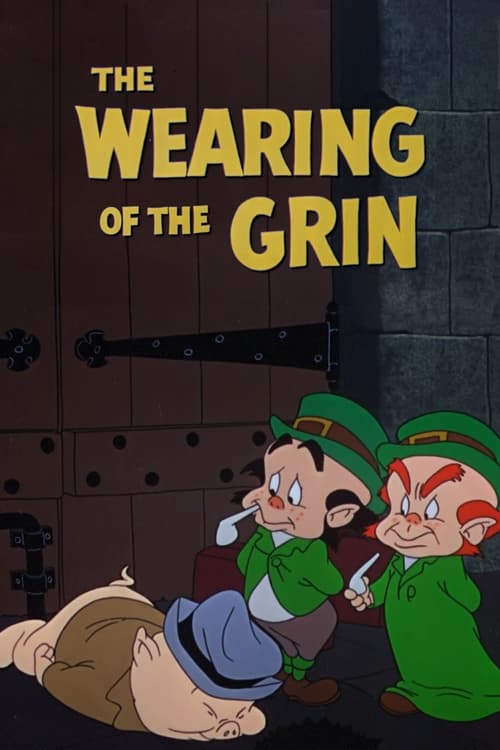
1951
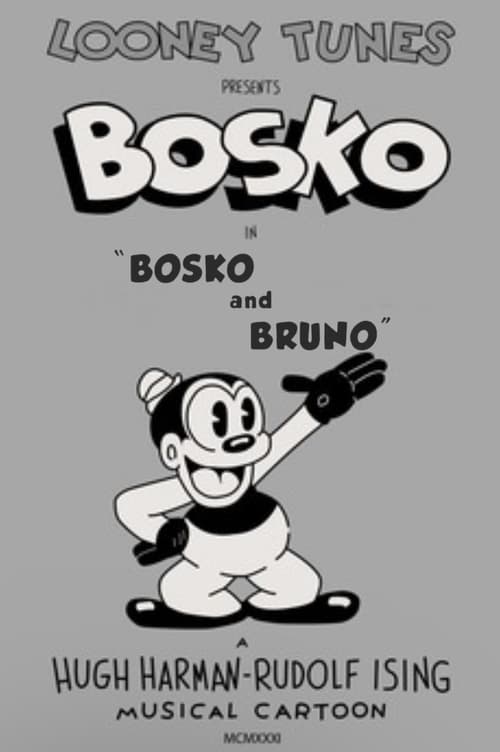
1932
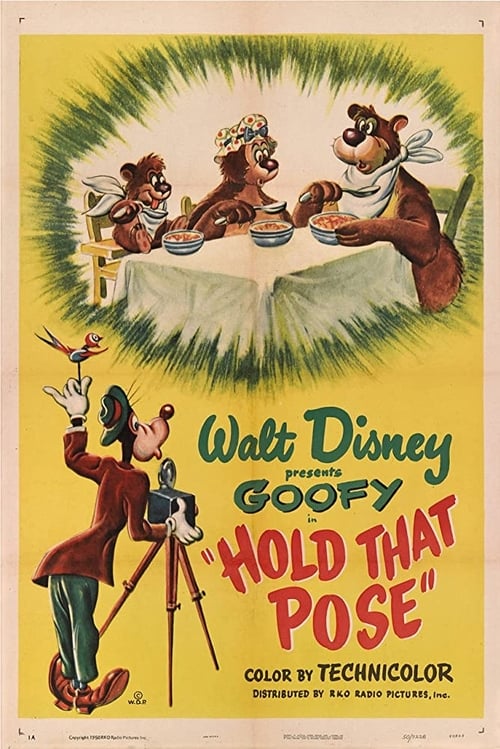
1950
1933
1938
No reviews yet. Be the first to share your thoughts on this movie!
Use the rating form above to leave a star rating and optional review.