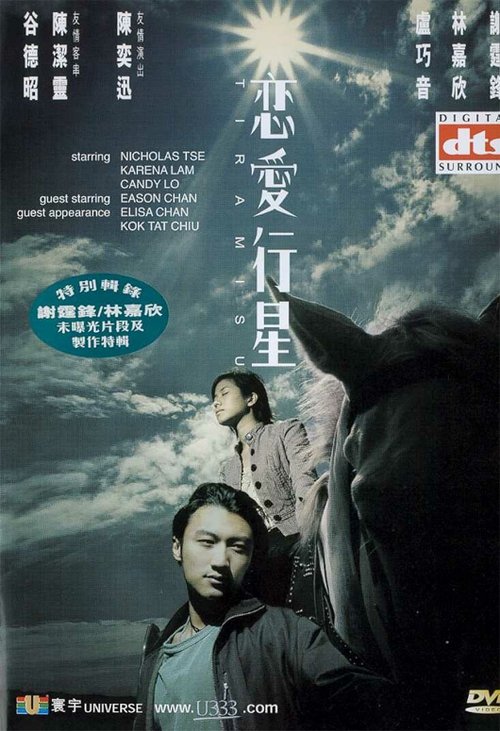
Tiramisu
2002
No user ratings available yet
Diversity score: 4.2 out of 10
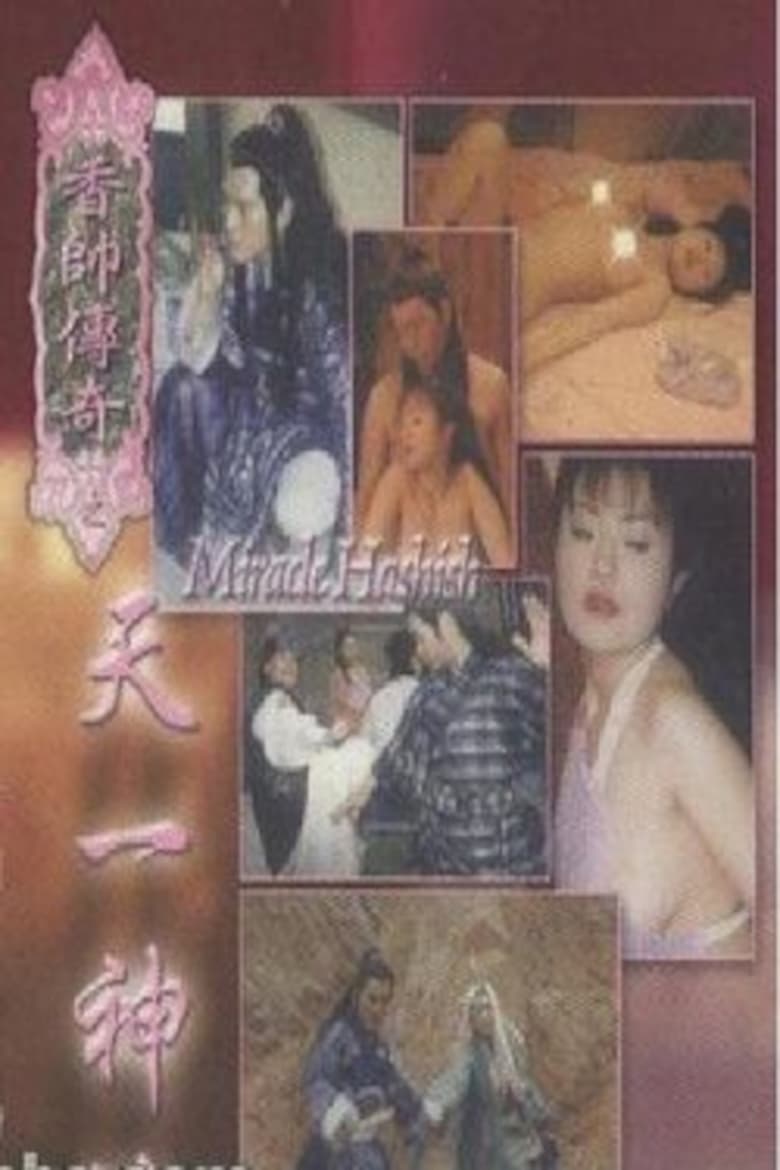
1999
IIIDirector
Stephan Yip Tin-Hang
Runtime
88 minutes
Average Rating
No ratings yetSynopsis
After a murder in a brothel, Chu Liu Xiang and Hu Tiehua become acquainted with each other.
Overall Score
Fair
Category Breakdown
LGBTQ+ Representation
The brothel setting suggests potential for diverse gender expressions. However, the film lacks explicit evidence of same-sex intimacy or non-cisnormative identities as central plot elements.
Gender Representation
While the setting implies a strong female presence, it is unclear if these characters possess true agency. They may function as passive subjects within the romance and fantasy framework.
Racial & Ethnic Diversity
The production aligns with Hong Kong and Chinese cinematic traditions, resulting in an ethnically homogeneous cast. It does not actively seek to disrupt Western-centric casting norms.
Religious & Cultural Diversity
The film utilizes traditional social institutions and genre tropes. There is no clear evidence of a secularist or anti-capitalist agenda within the narrative.
Disability Representation
The narrative contains no mention of characters navigating physical, sensory, or neurodivergent experiences.
Strengths
Areas for Improvement
AI Analysis
Miracle Hashish operates within the established tropes of fantasy and romance, utilizing a period-specific brothel setting to ground its narrative. While this environment inherently involves complex social strata and power dynamics, the film does not appear to use these elements to intentionally subvert traditional hierarchies. The representation remains largely surface-level. The film relies on traditional genre structures rather than providing a platform for intersectional identities or systemic critique. Consequently, the inclusion feels more tied to the setting than to a deliberate narrative architecture designed for diversity.
2002
1993

2012
1997
2005

2014
2000
2003
2003

2019

2014
2004
No reviews yet. Be the first to share your thoughts on this movie!
Use the rating form above to leave a star rating and optional review.