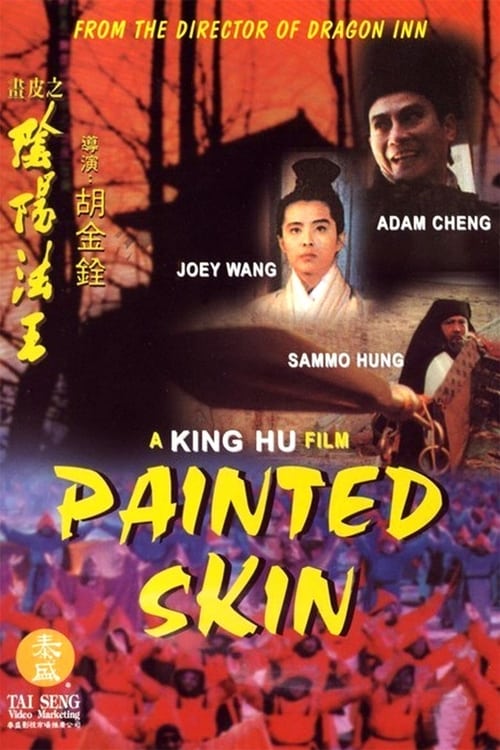
Painted Skin
1993
No user ratings available yet
Representation score: 3.2 out of 10
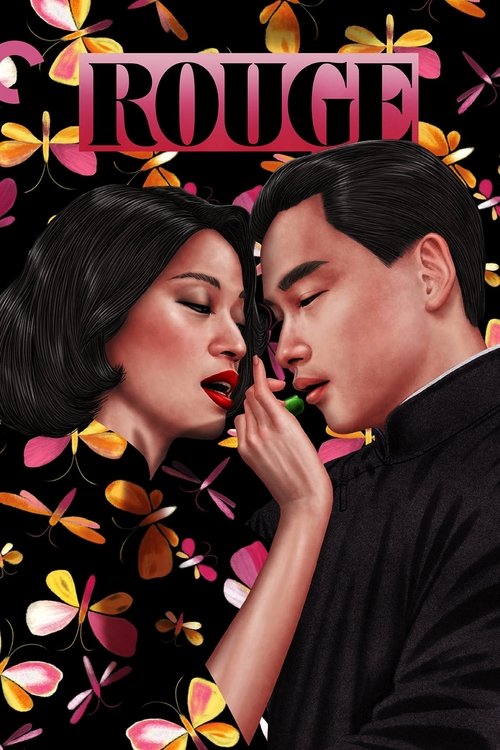
Representation Score
Fair
1987
Not RatedDirector
Stanley Kwan Kam-Pang
Runtime
96 minutes
Average Rating
No ratings yetNew Showbiz Analysis
Rouge is a nuanced exploration of how societal constraints affect personal desires. Using a dual-timeline structure and supernatural realism, the film examines the tension between personal identity and the rigid structures of pre-war Hong Kong. The film stands out for its refusal to rely on conventional romantic clichés. Instead, it delves into how gender and class oppression influence the lives of its main characters, transforming a simple tragedy into a complex study of memory and displacement. While the film excels in cultural authenticity and strong women's ability to drive the story, it remains centered around traditional heterosexual relationships and lacks representation for LGBTQ+ identities or characters with disabilities.
Category Breakdown
The film focuses on a traditional romance and does not include explicit LGBTQ+ identities or non-cisgender gender expressions.
Xiao-wen plays a significant role in driving the story, making independent choices against patriarchal constraints. The story emphasizes the emotional journey of the female character.
The film provides an authentic look at 1930s Hong Kong, avoiding a Western perspective. It accurately depicts Cantonese culture and social dynamics within a colonial setting.
The narrative criticizes strict social rules and class divisions as oppressive forces. It uses the Hong Kong landscape to comment on the effects of historical colonization.
The film does not prominently feature characters with visible or invisible disabilities as central plot drivers.
Present on Screen
Limited or Absent
Official Synopsis
Amid the opulent teahouses of 1930s Hong Kong, a humble courtesan and the wayward scion of a wealthy family fall in love and embrace death by suicide pact. Fifty years later, her ghost returns to find him, drawing a young contemporary couple into her quest to rekindle a passion that may be as illusory as time itself.
1993

1987
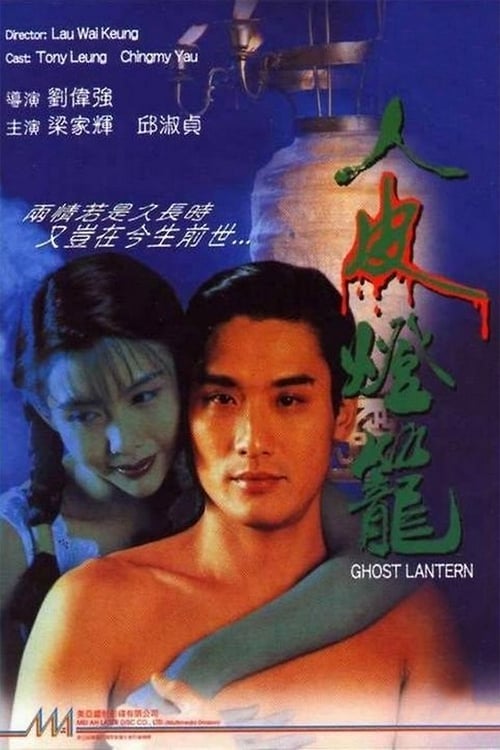
1993

1993
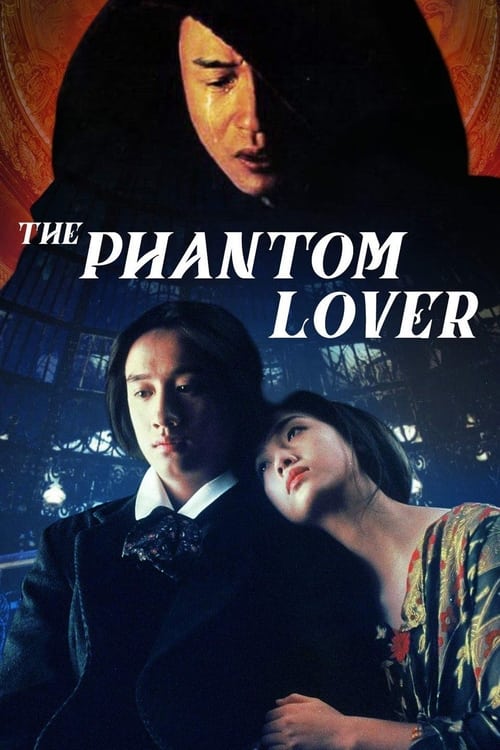
1995
2002

1986

1981
No reviews yet. Be the first to share your thoughts on this movie!
Use the rating form above to leave a star rating and optional review.