The 13th Floor
1988
No user ratings available yet
Representation score: 4.7 out of 10
Representation Score
Limited
1998
Not RatedDirector
Guy Crawford, Yvette Hoffman
Runtime
80 minutes
Average Rating
No ratings yetNew Showbiz Analysis
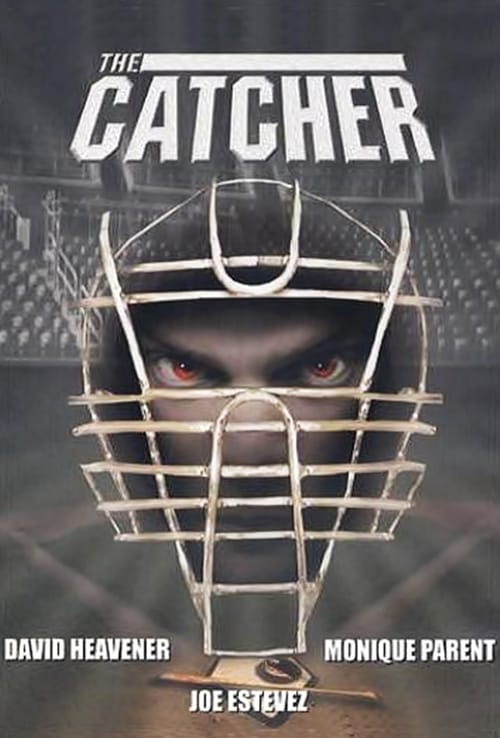
The Catcher is a narrow, character-driven horror film that centers on individual psychosis and domestic violence. Its narrative is built around a singular cycle of trauma, limiting its scope for broad diversity representation. While the film offers a critical look at the traditional patriarchal figure through extreme dysfunction, it lacks a broader social critique. The focus remains on individualistic themes without introducing diverse perspectives or identities. Ultimately, the film serves as a genre piece that employs mental instability and fractured family structures as plot devices. It adheres to traditional demographic frameworks without incorporating diverse casting or ability to act for characters of color.
Category Breakdown
There are no LGBTQ+ characters or non-cisgender identities in the film. The story focuses solely on a heterosexual father-son relationship.
The film explores the violent rejection of a patriarchal authority figure, challenging traditional masculine hierarchies. However, this disruption stems from pathology rather than a positive reimagining of gender roles.
The setting and plot suggest a homogeneous demographic framework. There are no characters of color or indications of diverse representation.
The film critiques the traditional Western patriarchal family structure by portraying domestic trauma as a catalyst for violence. A surreal ghost element suggests a departure from conventional religious morality.
Mental health and neurodivergence play key roles in the plot, with the protagonist's history in an insane asylum. The film risks using mental illness primarily as a horror cliché.
Present on Screen
Limited or Absent
Official Synopsis
In Taft, California, 1981, Johnny (Fred Meyers) is a unassuming baseball hopeful who turned against his stern and demanding father (Joe Estevez) and beat him to death with a baseball bat on a baseball diamond field. 17 years later, Johnny is released from the local insane asylum and begins a killing spree, with his father's ghost as an umpire.
1988
1988
1988

2009

1988
2005

1989
2001
No reviews yet. Be the first to share your thoughts on this movie!
Use the rating form above to leave a star rating and optional review.