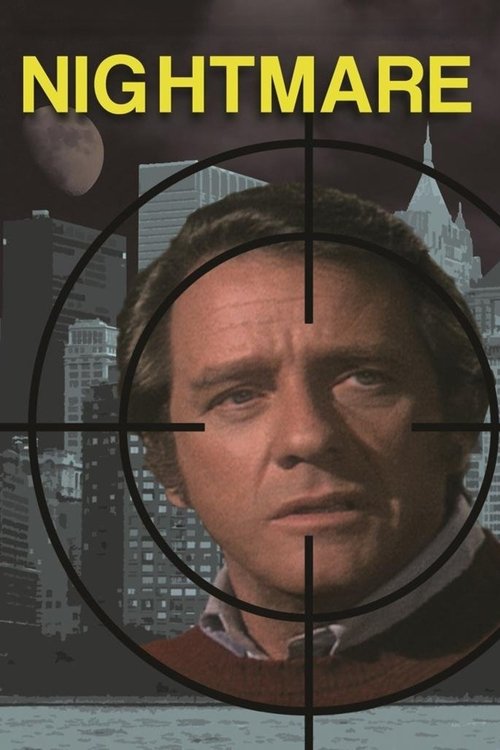
Nightmare
1974
No user ratings available yet
Representation score: 1.4 out of 10
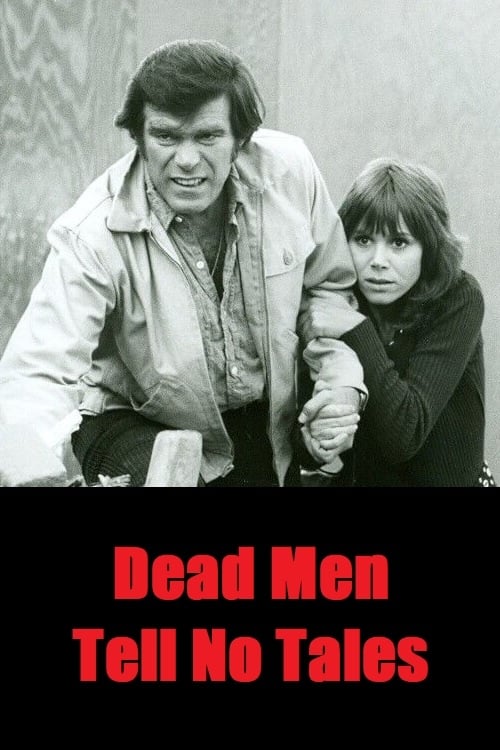
Representation Score
Limited
1971
Director
Walter Grauman
Runtime
90 minutes
Average Rating
No ratings yetNew Showbiz Analysis
Dead Men Tell No Tales is a conventional 1971 thriller that operates within the traditional storytelling paradigms of its time. The plot relies on a standard mistaken identity cliché, focusing on a male protagonist's struggle for survival against professional killers. The film lacks intentionality regarding the disruption of social hierarchies. It functions as a genre piece that reflects the era's homogeneous casting and straight-centered broadcasting standards rather than offering nuanced or multi-layered representation.
Category Breakdown
The film does not include any characters with non-straight or non-cisgender identities, nor does it feature any same-sex relationships. It adheres to the straight-centered conventions typical of 1971 television.
The thriller centers on a male photographer facing physical threats. This structural focus suggests a reliance on conventional gender roles typical of 1970s suspense media.
The production likely reflects the homogeneous casting norms of its era. There is no evidence of diverse casting within the narrative.
The story functions as a standard genre thriller without critiques of Western institutions or religious structures. It focuses on individual circumstances rather than broader systemic power dynamics.
There is no information regarding the inclusion or portrayal of characters with physical or neurodivergent disabilities.
Present on Screen
Limited or Absent
Official Synopsis
A photographer is chased by professional killers who have mistaken him for the person they're really after.
1974
1958
1992
1971
2006
1996
1981
1974
No reviews yet. Be the first to share your thoughts on this movie!
Use the rating form above to leave a star rating and optional review.