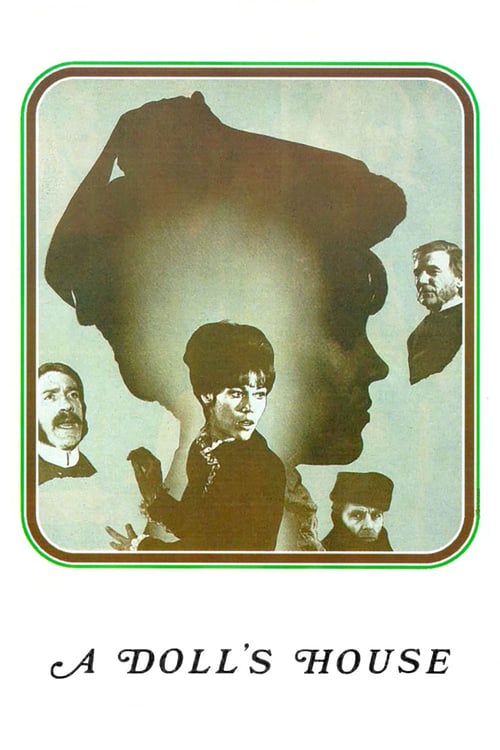
A Doll's House
1973
No user ratings available yet
Representation score: 3.2 out of 10

Representation Score
Limited
1973
GDirector
Patrick Garland
Runtime
105 minutes
Average Rating
No ratings yetNew Showbiz Analysis
This adaptation of Ibsen’s work excels in its intellectual deconstruction of gender roles. By highlighting Nora’s transition toward self-actualization, the film challenges the stability of traditional patriarchal hierarchies and domestic expectations. However, the production is limited by its period-specific focus. The lack of racial and LGBTQ+ diversity reflects the historical context of the original text but results in a narrow demographic scope. Ultimately, the film's strength lies in its cultural critique. It frames the dismantling of the traditional family unit as a necessary step toward personal liberation and moral decision-making.
Category Breakdown
The film focuses on a strictly heterosexual marriage. There are no characters with non-cisgender identities or same-sex relationships.
Nora Helmer’s transformation from a decorative figure to an independent agent critiques patriarchal authority. The film effectively challenges the submissive wife stereotype.
The cast is uniform, reflecting the 19th-century Norwegian setting. There is no ethnic diversity or race-bent casting within this specific socioeconomic environment.
The story offers a deep critique of Western bourgeois institutions and the nuclear family. It emphasizes individual truth over the rigid moralism of the time.
No visible or invisible disabilities are portrayed as central to the characters or the narrative arc.
Present on Screen
Limited or Absent
Official Synopsis
Nora Helmer has years earlier committed a forgery in order to save the life of her authoritarian husband Torvald. Now she is being blackmailed, and lives in fear of her husband finding out, and of the shame such a revelation would bring to his career. But, when the truth comes out, Nora is shocked to learn where she really stands in her husband's esteem.
1973

1951
1954

1943

1954
1964

1982
1964
No reviews yet. Be the first to share your thoughts on this movie!
Use the rating form above to leave a star rating and optional review.