
I Am the Pretty Thing That Lives in the House
2016
No user ratings available yet
Representation score: 3.3 out of 10
Representation Score
Fair
2018
RDirector
Lenny Abrahamson
Runtime
111 minutes
Average Rating
No ratings yetNew Showbiz Analysis
The Little Stranger is a focused psychological study that emphasizes the dismantling of class and patriarchal stability over broad demographic representation. It effectively critiques the perceived stability of traditional Western domestic structures. While the film excels in its critique of inherited status, it remains limited by a lack of racial and LGBTQ+ diversity. The setting and focus on the landed gentry result in a highly homogenous cast. Ultimately, the film prioritizes a deep, localized exploration of social and psychological decay within a specific historical context over broader representation.
Category Breakdown
The film does not include any LGBTQ+ characters or explore non-straight relationships. It focuses on a family breaking down under traditional heterosexual norms without addressing queer identities.
The story challenges the typical strong male figure by showing a husband losing his grip on family life. Female characters face complex emotional challenges and have conversations about topics unrelated to men.
The cast is mostly made up of characters from similar backgrounds, reflecting a specific social class. There is no indication of intentional racial diversity or varied cultural backgrounds.
The film provides a nuanced look at declining Western institutions and social hierarchies. It uses the home environment to show the breakdown of traditional authority and social pretense.
Mental health issues and psychological trauma contribute to the Gothic horror atmosphere. However, these elements serve more as symptoms of a decaying environment than as explorations of neurodivergence.
Present on Screen
Limited or Absent
Official Synopsis
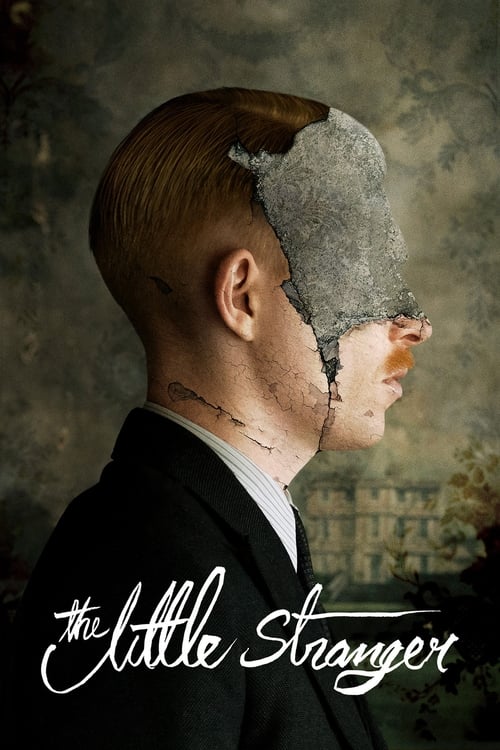
In a dusty post-war summer in rural Warwickshire, a doctor is called to a patient at lonely Hundreds Hall. Home to the Ayres family for over two centuries, the Georgian house is now in decline. But are the Ayreses haunted by something more sinister than a dying way of life?
2016

1989
2014
2011
2015
2015
2011
2020
No reviews yet. Be the first to share your thoughts on this movie!
Use the rating form above to leave a star rating and optional review.