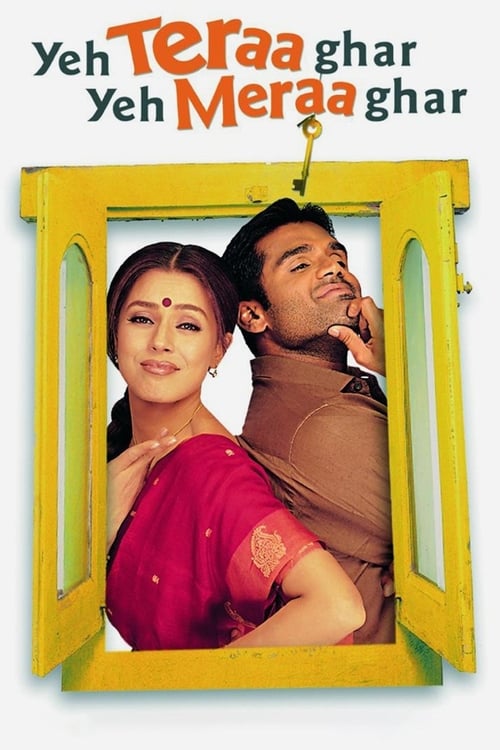
Yeh Teraa Ghar Yeh Meraa Ghar
2001
No user ratings available yet
Representation score: 1.4 out of 10
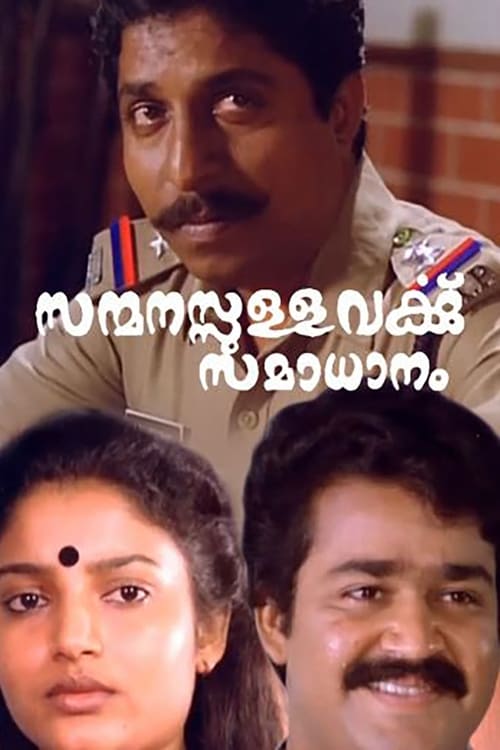
Representation Score
Limited
1986
Director
Sathyan Anthikad
Runtime
133 minutes
Average Rating
No ratings yetNew Showbiz Analysis
Sathyan Anthikad’s film centers on middle-class domesticity and rural social dynamics. It offers an authentic portrayal of Malayali social life and regional settings, avoiding whitewashing and focusing on genuine socioeconomic realities. However, the film does not intentionally address identity-based politics and adheres to traditionalist frameworks of 1980s regional cinema, lacking engagement with queer identities or broader gender subversion.
Category Breakdown
The film sticks to traditional romantic and family structures and does not include any LGBTQ+ characters or non-straight relationships.
Meera stands out as a strong female character who resists domestic issues, but her role remains centered on preserving traditional gender roles.
The cast reflects the specific regional culture of Kerala, maintaining cultural authenticity without imposing Western norms.
The narrative emphasizes social harmony and traditional communal values, focusing on local struggles like debt rather than broader systemic issues.
There are no prominent depictions of disabilities, either visible or invisible, nor do such characters play central roles in the story.
Present on Screen
Limited or Absent
Official Synopsis
The only way Gopalakrishnan can escape from certain bankruptcy is to sell the property he owns in the city and use the proceeds to settle his debts. To do that, he has to evict his tenants from there first. Unfortunate for him, his tenant is the feisty Meera and her family, who absolutely refuses to vacate the house. Gopalakrishnan uses an obscure clause in the contract to take up residence at the house, and tries his best to smoke his tenants out.
2001

2006

1988

2000
1983

2015

2004
1991
No reviews yet. Be the first to share your thoughts on this movie!
Use the rating form above to leave a star rating and optional review.