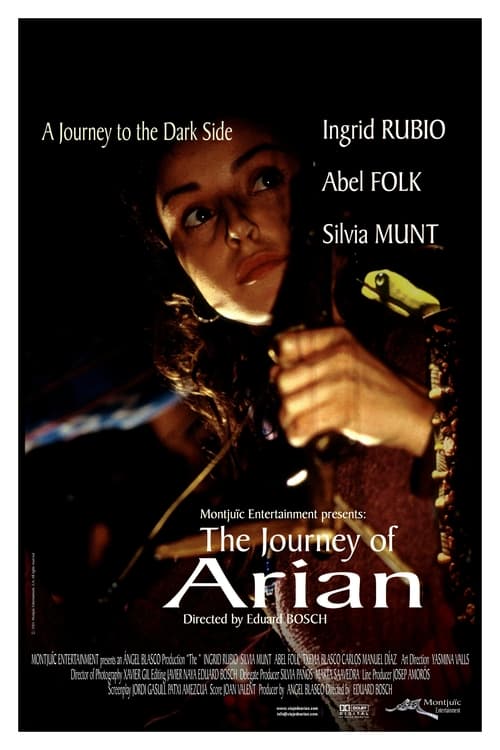
The Journey of Arián
2001
No user ratings available yet
Representation score: 4.0 out of 10

Representation Score
Minimal
2021
TV-MADirector
Christian Schwochow
Runtime
126 minutes
Average Rating
No ratings yetNew Showbiz Analysis
Je suis Karl is a conventional biographical drama that prioritizes historical accuracy and individualist storytelling. The film focuses on the personal integrity and creative output of a singular historical figure rather than exploring diverse social perspectives. The production remains firmly rooted in a traditional, Eurocentric mode. It adheres to the social structures of the early 20th century, resulting in a lack of representation for LGBTQ+ individuals and people with disabilities. While the film offers a sophisticated look at the life of Karl May, it does not seek to disrupt conventional social hierarchies or introduce perspectives that challenge the status quo.
Category Breakdown
The film follows a traditional biographical framework focused on heterosexual relationships. It does not depict any non-cisgender identities or same-sex intimacy.
The narrative maintains traditional gender roles typical of the era. While the protagonist's wife has psychological depth, she remains a supporting character to the male lead.
The cast is predominantly homogeneous, reflecting a specific historical German context. The film focuses on a white, Eurocentric subject without exploring multiple aspects of diversity.
The story operates as a standard character study that avoids challenging Western institutions. It focuses on individual legacy rather than systemic critique or moral relativism.
There are no prominent depictions of physical, sensory, or neurodivergent disabilities. The narrative does not engage with the experiences of individuals living with disabilities.
Present on Screen
Limited or Absent
Official Synopsis
An explosion sends fear and terror through Berlin. Young Maxi's home is reduced to rubble and ashes, burying her mother and little brothers. Only she and her father survive the terrorist bomb attack. When she happens to meet the charismatic Karl, who tells her about a conference for young people in Prague, she seizes the opportunity to flee Berlin and her grieving father. The political movement behind the meeting claims to be working for a better Europe. Maxi has no idea how close the murderers really are to her family.
2001

2025

2024

2007

2008

2022
2014

2019
No reviews yet. Be the first to share your thoughts on this movie!
Use the rating form above to leave a star rating and optional review.