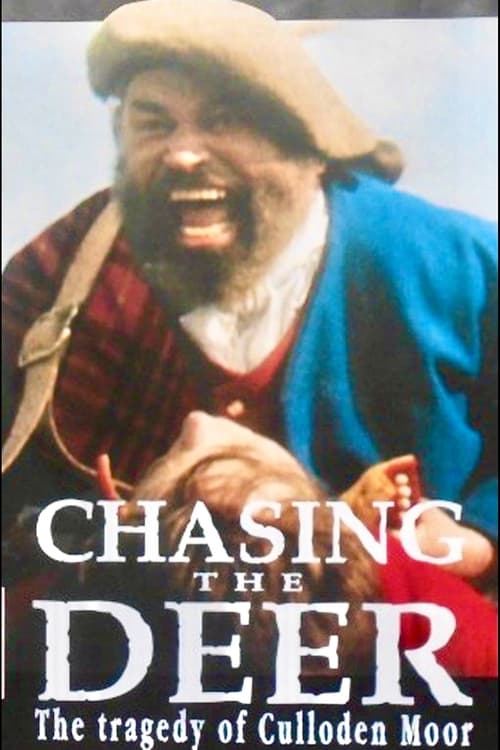
Chasing the Deer
1994
No user ratings available yet
Representation score: 2.7 out of 10
Representation Score
Fair
1964
Director
Peter Watkins
Runtime
69 minutes
Average Rating
No ratings yetNew Showbiz Analysis
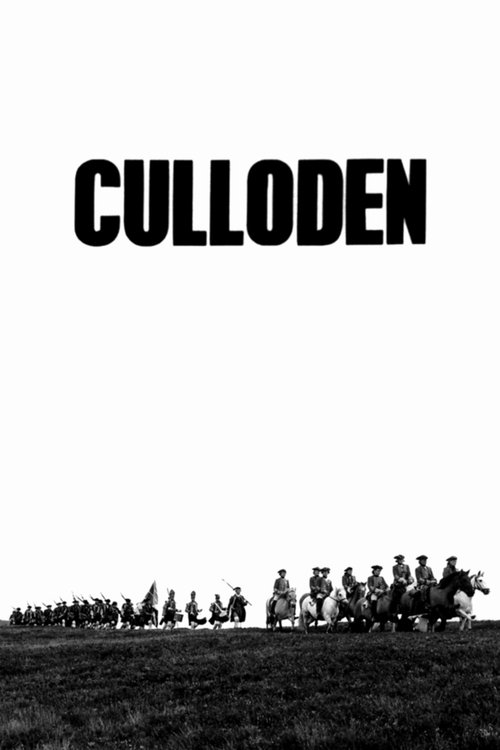
Peter Watkins' *Culloden* rejects the romanticized clichés of the historical epic in favor of a docudrama style. Using handheld cameras and an observational voice, the film shifts the focus from heroic glory to the destructive impact on a culture. The film's main strength lies in its post-colonial perspective. It successfully challenges official histories by portraying the British state as a disruptive force rather than a stabilizer. This viewpoint elevates the Highland experience from a mere backdrop to a central study of subjugation. However, the film remains constrained by the patriarchal structures of its time. While it provides a strong critique of imperial power, it offers little representation of non-straight relationships or intentional character development regarding disabilities.
Category Breakdown
The film adheres to the historical constraints of the mid-18th century. There are no clear depictions of non-straight relationships or queer stories.
The story focuses on male fighters and political figures. Women are shown in domestic roles, but the film highlights the suffering of women and children due to state violence.
The film stands out by focusing on Highland Gaelic culture instead of an Anglo-centric view. It portrays the clans as a distinct, underrepresented group facing erasure by a centralized imperial power.
This is a critical look at Western institutions and imperialist expansion. The film shows the British state as an oppressive force dismantling the traditional Highland clan system.
The film doesn't feature characters with specific disabilities. However, it vividly depicts the physical impairments caused by war through the portrayal of combat trauma.
Present on Screen
Limited or Absent
Official Synopsis
Culloden, Scottish Highlands, April 16th, 1746. It was one of the most mishandled and brutal battles ever fought in Great Britain. Its aftermath was tragic. The men responsible for such a disaster must be exposed. The men, women and children who suffered because of it must be remembered.
1994
1979
2002

2018
2014
2014
1943
2007
No reviews yet. Be the first to share your thoughts on this movie!
Use the rating form above to leave a star rating and optional review.