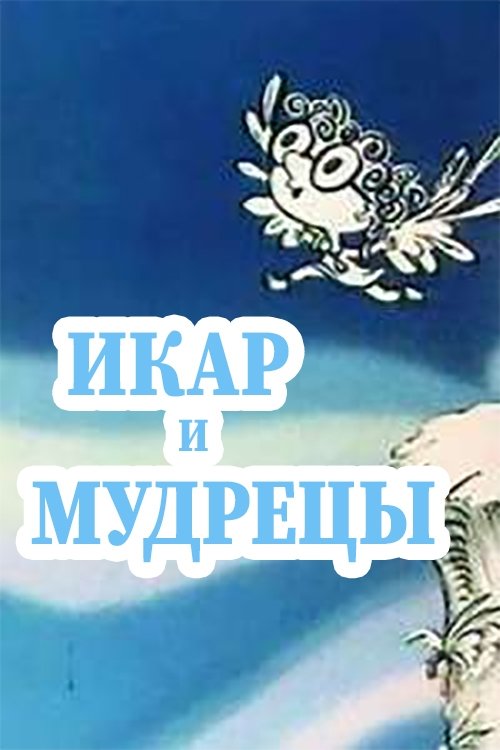
Ikar and Sages
1976
No user ratings available yet
Representation score: 6.1 out of 10
Representation Score
Good
1969
Director
Yuri Norstein
Runtime
5 minutes
Average Rating
No ratings yetNew Showbiz Analysis
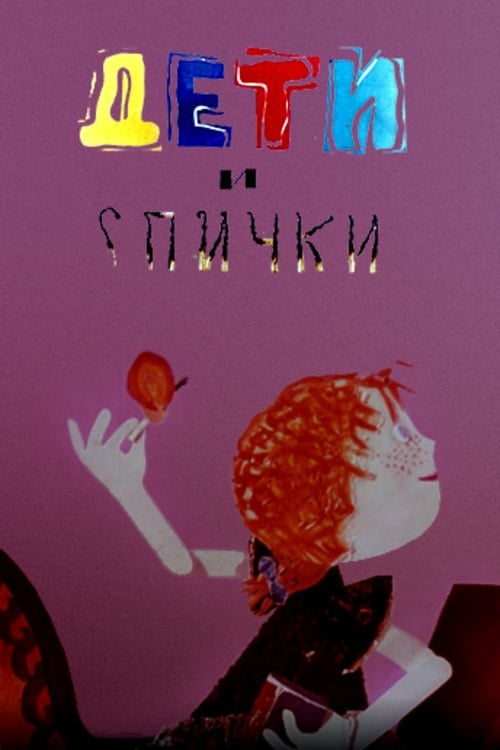
Yuri Norstein’s 1969 short breaks the typical public service announcement genre by replacing strict moral lessons with psychological realism. Instead of a simple good versus evil binary, the film uses metaphor to explore human mistakes and systemic power structures. While the film does not explicitly represent LGBTQ+ identities or diverse ethnic backgrounds, it excels in its nuanced portrayal of human behavior. It shifts away from the didacticism of its time to focus on the complex internal lives of its subjects. Overall, the work marks a sophisticated shift for Norstein, establishing a narrative style that prioritizes atmosphere and psychological depth over state-sanctioned lessons.
Category Breakdown
The film does not depict LGBTQ+ identities or relationships that assume everyone is straight or cisgender. It stays neutral and typical of period-specific educational animation.
The story focuses on children dealing with environmental dangers. By avoiding overly masculine themes, it highlights fragile emotional states but does not specifically challenge gender hierarchies.
Produced by Soyuzmultfilm, the film reflects the homogeneous demographics of its Soviet-era context. It does not intentionally include diverse ethnic backgrounds or multi-layered casting.
The film steers clear of traditional moral lessons, instead using a sophisticated psychological perspective. Its symbolic structure critiques systemic authority and rigid social structures.
Norstein portrays complex inner worlds, including impulsive and sensory-focused behaviors. These neurodivergent traits are shown with psychological depth rather than being dismissed as mere misbehavior.
Present on Screen
Limited or Absent
Official Synopsis
A cut-out animation warning for children about the danger of fire and playing with matches, far from the grim warning of your typical PSA and anticipating the complicated human psychology of Norshteyn's subsequent work. And, no doubt, there is a metaphor aimed at the power structure. 1968-69 was a crucial period of transition for the animator, breaking out of the pack at Soyuzmultfilm and beginning to script and co-direct films. Not listed on imdb, this is one - if not the first - of his first solo works as director.
1976
1971
1975
1986
1983
1989
1989
1990
No reviews yet. Be the first to share your thoughts on this movie!
Use the rating form above to leave a star rating and optional review.