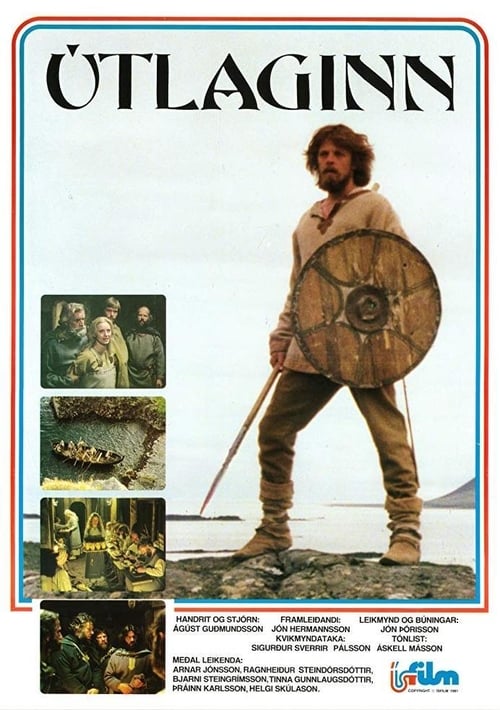
Outlaw: The Saga of Gisli
1981
No user ratings available yet
Representation score: 1.2 out of 10

Representation Score
Fair
1988
Director
Hrafn Gunnlaugsson
Runtime
124 minutes
Average Rating
No ratings yetNew Showbiz Analysis
In the Shadow of the Raven disrupts historical drama conventions by emphasizing female empowerment and criticizing institutional power. While the period setting restricts racial diversity, the film uses its historical context to explore power dynamics and social outsiders. The narrative favors characters reclaiming autonomy from rigid hierarchies, offering a progressive approach to character development.
Category Breakdown
The film does not explicitly depict LGBTQ+ identities. The central romance follows a traditional path between Isold and Trausti, focusing on patriarchal marriage contracts rather than queer themes.
Women play significant roles in the story, holding positions of authority and influence. For example, a female family leader wields power, and Isold takes charge of her clan after her father's death. She actively navigates marriage arrangements dictated by male-dominated institutions.
As an Icelandic period piece, the cast reflects the demographic homogeneity of the era. The narrative explores 'otherness' through social outsiders and clan-based identity rather than multi-ethnic or racial diversity.
The film challenges the dominance of established Western institutions by portraying the Bishop as an obstacle to autonomy. It highlights the tension between communal morality and organized religious oppression.
There is no evidence regarding the depiction of physical or neurodivergent characters in this narrative.
Present on Screen
Limited or Absent
Official Synopsis
Trausti returns to Iceland just in time to be entangled in a family feud over a stranded whale-cadaver. His mother (the family head) is mortally wounded and Grim kills Erikur; the other clan leader. Isold, daughter of Erikur now takes his place. Isold and Trausti are attracted to each other, but Isold was promised to Hjoerleifur - the son of the Bishop (of Iceland) and his powerful wife. However, Isold has a plan...
1981

2017
1984

1967

1986
1958
1969
1993
No reviews yet. Be the first to share your thoughts on this movie!
Use the rating form above to leave a star rating and optional review.