Into Your Dance
1935
No user ratings available yet
Representation score: 0.8 out of 10

Representation Score
Minimal
1933
PassedDirector
Steve Muffati
Runtime
6 minutes
Average Rating
No ratings yetNew Showbiz Analysis
Croon Crazy is a product of its time, functioning as a conventional period piece that mirrors the social constraints of 1933. The narrative relies on established entertainment formulas rather than attempting to challenge social hierarchies. The film's focus on a solo radio performance by Cubby Bear reinforces traditional professional structures. It lacks the depth needed to represent diverse identities beyond the era's norms. Ultimately, the production reflects the demographic uniformity and Western-centric values typical of early American animation, offering little in the way of modern representation.
Category Breakdown
The film does not depict any non-binary or same-sex relationships. The story revolves around a traditional radio broadcast format.
Cubby Bear is the main character and plot driver. Female guests play supporting roles without challenging existing gender hierarchies.
The guest star lineup reflects the demographic uniformity of early 1930s media. Characters of color do not have significant roles in the narrative.
The plot centers on Western institutions like commercial radio and celebrity culture. It upholds traditional values within capitalist frameworks.
The narrative does not include any characters with physical or neurodivergent disabilities.
Present on Screen
Limited or Absent
Official Synopsis
An Oil-can-Harry radio announcer presents Cubby Bear the Crooner as the star of his own radio program over station R-K-O and, while Cubby is crooning away, Slick also advises that Kitty Schmidt (Kate Smith), Cal Jolson (Al Jolson)and Sol Rightman (Paul Whiteman) will be Cubby's guest stars. Then a 100-year-old Western-Union 'boy' delivers a telegram informing that none of the guests will appear. So Cubby has to do the whole program by himself. Cubby comes through.
1935
1935
1938
1933
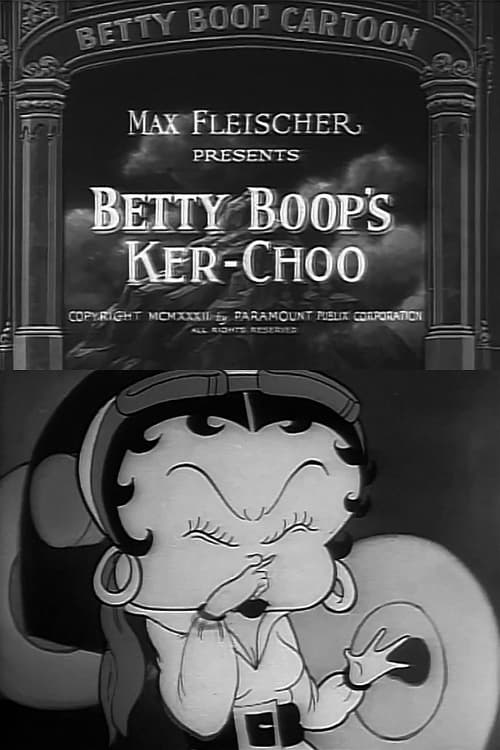
1933
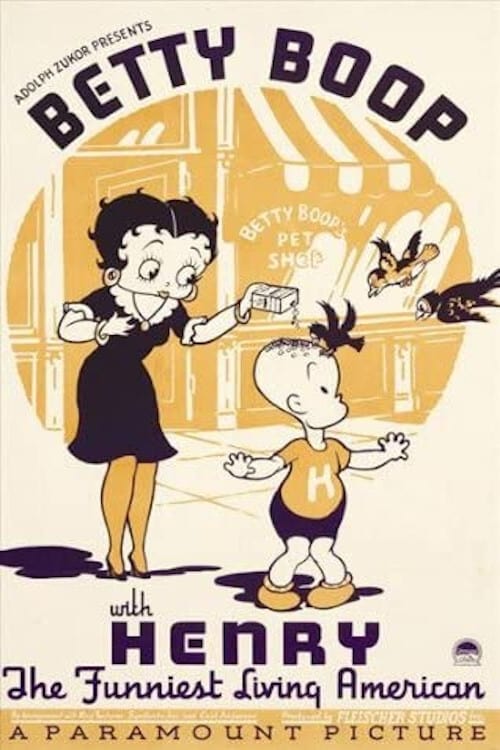
1935
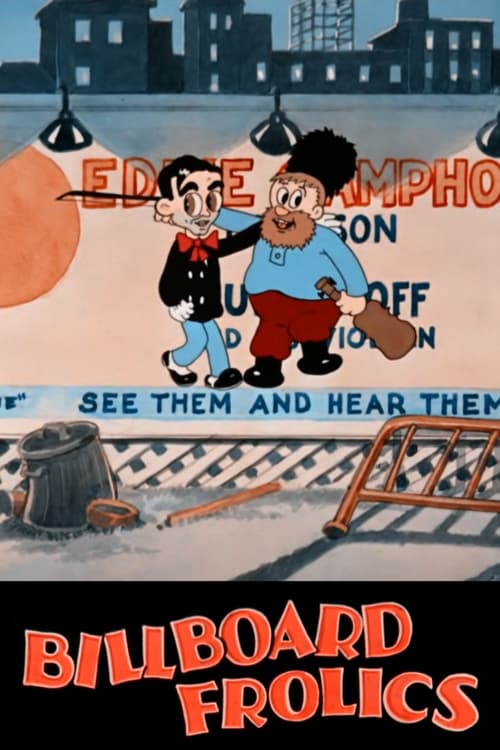
1935
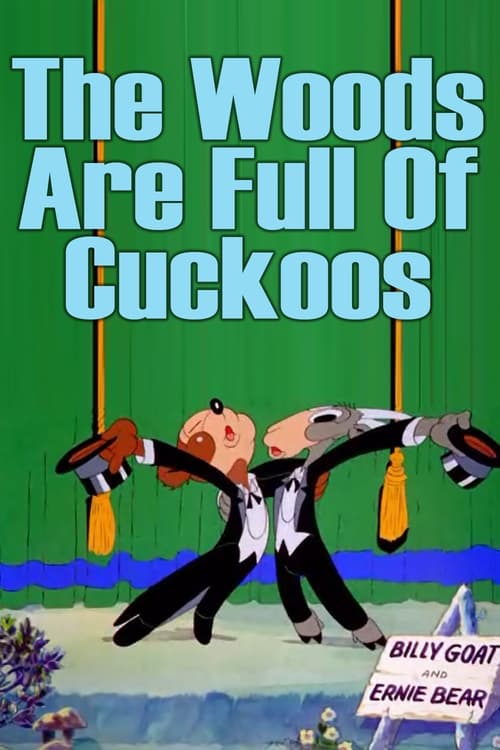
1937
No reviews yet. Be the first to share your thoughts on this movie!
Use the rating form above to leave a star rating and optional review.