
In the Shadow of the Moon
1999
No user ratings available yet
Representation score: 3.0 out of 10
Representation Score
Excellent
2010
TV-14Director
Francisca Fuenzalida
Runtime
90 minutes
Average Rating
No ratings yetNew Showbiz Analysis
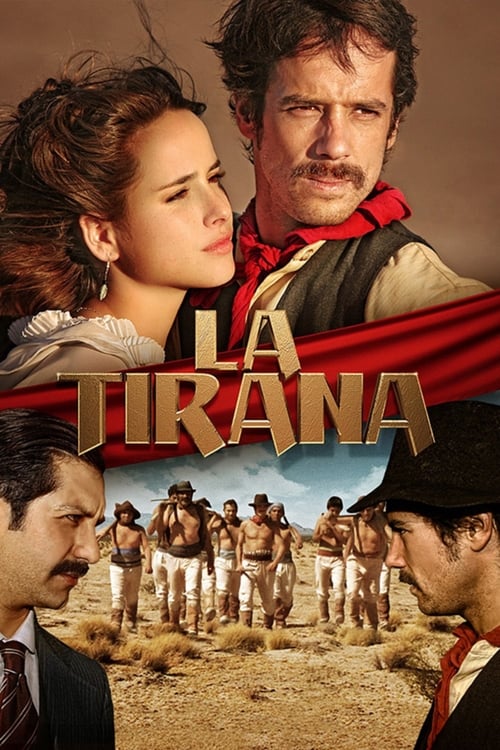
La Tirana uses the framework of a forbidden romance to break down the rigid social and economic hierarchies of the early 20th century. By placing a Peruvian labor leader and a Chilean aristocrat at the center of the Saltpeter War, the film goes beyond simple escapism to explore systemic friction. The film effectively uses regional identity to challenge Anglo-centric historical clichés, replacing traditional nationalist narratives with a focus on cross-border intimacy and the ability to act of the working class. While the film offers a strong critique of class-based institutions, it lacks visible representation of LGBTQ+ identities or disability.
Category Breakdown
The film does not provide any explicit evidence of LGBTQ+ characters or non-straight relationships. Therefore, the representation of LGBTQ+ identities remains minimal.
The story centers a labor leader in a key romantic role, suggesting that the character’s development is driven by social struggle rather than traditional domestic roles.
The narrative breaks down homogeneous national identity by featuring a Chilean protagonist paired with a Peruvian counterpart, highlighting cross-border intimacy as a metaphor for overcoming nationalist barriers.
The film critiques capitalist hierarchies by focusing on the struggles of the working class against an aristocratic backdrop. It highlights the challenges faced by those sidelined by the ruling class.
There is no depiction of physical or neurodivergent disabilities in the film. The narrative focuses primarily on class and nationalistic tensions.
Present on Screen
Limited or Absent
Official Synopsis
A Chilean aristocrat and a Peruvian labor leader. live a story of forbidden love in the midst of the Saltpeter war.
1999

2020

1984
1982
2009

2002

2009

1996
No reviews yet. Be the first to share your thoughts on this movie!
Use the rating form above to leave a star rating and optional review.