
Seitenwechsel
2016
No user ratings available yet
Representation score: 4.4 out of 10
Representation Score
Limited
2013
Director
Parambrata Chatterjee
Runtime
150 minutes
Average Rating
No ratings yetNew Showbiz Analysis
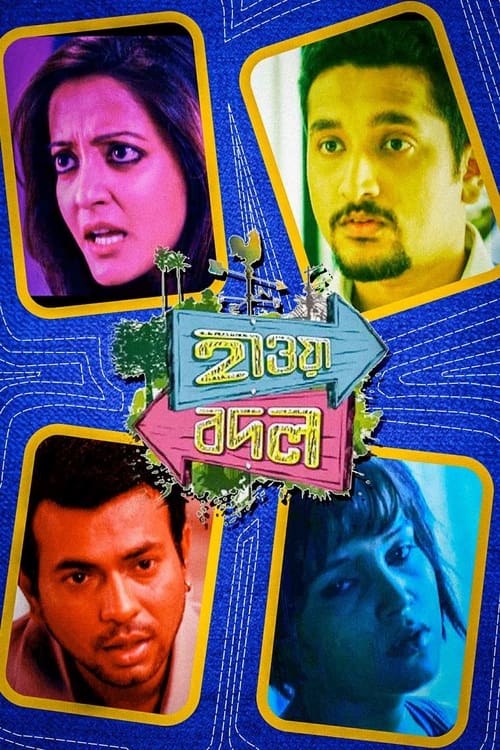
Hawa Bodol is a situational comedy that emphasizes relatable humor over challenging social norms. The narrative uses a soul-swap cliché to generate humor, avoiding a deeper exploration of identity or systemic hierarchies. The film adheres to conventional gender and social roles. Although the soul-swap temporarily disrupts lived experiences, the core character dynamics remain traditional. Overall, the production serves as a localized character study. It explores personal dissatisfaction and status through a lens that upholds established cultural and gender expectations.
Category Breakdown
The film focuses on heterosexual friendships and romantic relationships. There are no representations of LGBTQ+ identities or same-sex intimacy.
Female characters mainly support the male leads' ambitions. The soul-swap cliché allows characters to experience life from the opposite gender, but traditional gender roles remain unchanged.
The setting is predominantly homogeneous, centered around specific social classes within a region. A non-Bengali business client adds a minor layer of ethnic diversity.
The story examines the tension between capitalist success and the struggles of the creative class. These social structures provide a backdrop for humorous character development.
There are no visible or invisible disabilities that play a central role in the character arcs or the plot progression.
Present on Screen
Limited or Absent
Official Synopsis
The movie revolves around two old school friends, Satrajeet aka Jeet (Parambrata Chattopadhyay), an extremely ambitious man, who does not have time left for his wife, Tanuka (Raima Sen), and Rajarshi aka Raj (Rudranil Ghosh) who coincidentally came across each after a long time. While Jeet, a partner in a big architect firm, which he inherited from his deceased father-in-law; Raj is a struggling singer in a band. Jeet and Raj were invited to a party of a non-Bengali business client of Jeet, where Raj flirted with the businessman's daughter Inca (Neha Panda). After party, both the friends bought drinks from closed shops and drank in the open. Both of them wished they had each other life. After getting up from sleep, both of them found that their soul has interchanged. Both of the friends were surprised to find themselves in that situation.
2016
2019

2018

2005

2022

1984

2014

2023
No reviews yet. Be the first to share your thoughts on this movie!
Use the rating form above to leave a star rating and optional review.